

There's a moment every serious golfer experiences—that sinking feeling when you step up to a three-footer and your hands feel uncertain. You know you should make it. You've made thousands of these putts in practice. But something feels off. Maybe it's been off for a while, and you've just gotten used to it. If this sounds familiar, it might be time to upgrade your putter.
Your putter is the most-used club in your bag, yet it's often the most neglected when it comes to equipment decisions. Many golfers play with the same putter for years—sometimes decades—without considering whether it's still the right tool for their game. Unlike drivers and irons, which we upgrade regularly, putters tend to stick around based on sentiment or convenience rather than performance.
The reality is that your putter has one job: to help you make more putts. If it's not doing that consistently, it's costing you strokes and, more importantly, costing you the enjoyment of the game. Here are five signs that it's time to make a change.
1. Your Distance Control Is Inconsistent
One of the most frustrating aspects of putting is distance control—that ability to roll the ball the exact length needed. A quality putter should provide consistent feedback through the stroke, helping you develop a repeatable feel for distance.
If you're leaving putts short regularly, then occasionally hitting them too hard, there's a good chance your putter isn't delivering the feedback you need. Poor quality milling, soft faces, or a putter design that doesn't match your stroke can all contribute to this inconsistency. You might compensate by changing your stroke tempo or force, but that's working harder, not smarter.
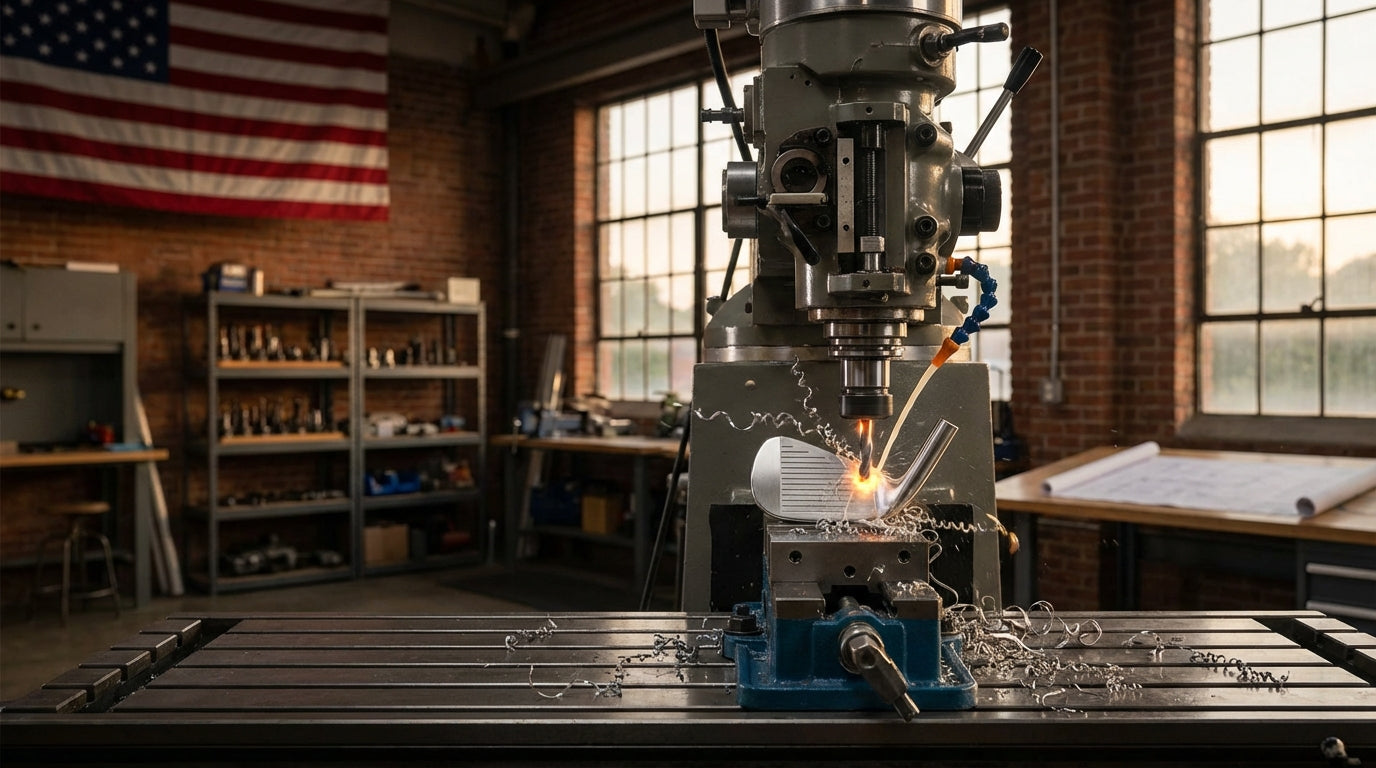
A premium milled putter with a properly milled face offers superior consistency in roll characteristics. The precision of CNC milling means every strike delivers predictable feedback, making it easier to develop that feel for distance control. When your equipment is reliable, you can focus on the stroke itself rather than wondering if the putter will respond as expected.
2. You've Lost Confidence at Address
Confidence in putting isn't just mental—it's directly tied to your equipment. When you address the ball, does your putter feel right? Does the sight line work for you? Does the weight distribution feel balanced?
If you dread short putts or feel tension in your shoulders when you step up to a crucial putt, it might not be a swing thought issue—it might be an equipment issue. A putter that doesn't inspire confidence becomes a self-fulfilling prophecy. You don't trust it, so you make tentative strokes, which leads to poor results, which reinforces your lack of confidence.
The relationship between equipment and confidence is powerful. When you switch to a putter that feels right at address—one with the right weight, the right sight line, and the right aesthetic appeal—something shifts. You feel more assured. Your pre-shot routine becomes calmer. And calmer strokes are more repeatable strokes.
This is why putter fitting matters so much. A properly fitted putter—one matched to your stroke style, your eye preference, and your feel preferences—naturally builds confidence because it's designed for you.
3. Your Putter Is Worn, Damaged, or Neglected
Walk into most golf bags and you'll find putters that look like they've survived a war. Chipped paint, a grip that's slick and glazed over, a face filled with dents and dings from years of contact with the cup. Some golfers treat these battle scars as character. In reality, they're performance robbers.
A damaged putter face doesn't deliver consistent contact. A worn grip compromises your ability to hold the club consistently throughout the stroke. These aren't just cosmetic issues—they directly impact your ability to make putts.
If your putter is showing significant wear, it's worth asking: Is this equipment serving me, or am I just used to it? Replacing a putter grip is a relatively inexpensive solution if that's your only issue. But if the head itself is compromised, it's time for an upgrade. A new putter is an investment in your game—one that will last for years if properly maintained.
4. Your Stroke Has Evolved, But Your Equipment Hasn't
Golf is a game of continuous improvement. Over the years, your putting stroke likely has changed. You might have worked with an instructor and adopted a different stroke style. You might have shifted from a longer, arcing stroke to a shorter, more pendulum-based motion. Maybe you've changed your hand position, your stance, or your alignment method.
Here's the thing: your putter should evolve with your stroke. Different stroke styles benefit from different putter designs. A mallet can provide different feedback than a blade. Weight distribution, shaft length, and face milling patterns all influence how a putter responds to your specific stroke.
If you've made significant changes to your stroke in the last few years but you're still using the same putter you've always had, there's a mismatch. Blade versus mallet putters each have distinct characteristics, and understanding how equipment choices impact your score can help you make a more informed decision about whether your current putter is truly supporting your current game.
5. You've Never Been Fitted for a Putter
This is perhaps the most common reason golfers are using the wrong putter: they've never been properly fitted. Many people play with whatever putter came with their starter set, or they bought the one their friend recommended, or they liked the look of it at the golf store.
Without a fitting, you're essentially leaving performance on the table. A proper putter fitting takes into account your stroke characteristics, your eye line preferences, your hand position, the length that works for your setup, and even the grip that gives you the best feel and control. It's not about expensive equipment—it's about matching you to the right equipment.
Even if you've been playing well, you might play even better with a properly fitted putter. You won't know until you've been through a real fitting process. Many golfers who finally get fitted are surprised at how different their game feels with the right tool in their hands.
Time for an Upgrade
If any of these five signs resonated with you, it's worth seriously considering an upgrade. The good news is that premium putters today offer exceptional quality at reasonable price points. A milled putter from a quality manufacturer provides superior consistency, reliability, and confidence compared to mass-produced alternatives.
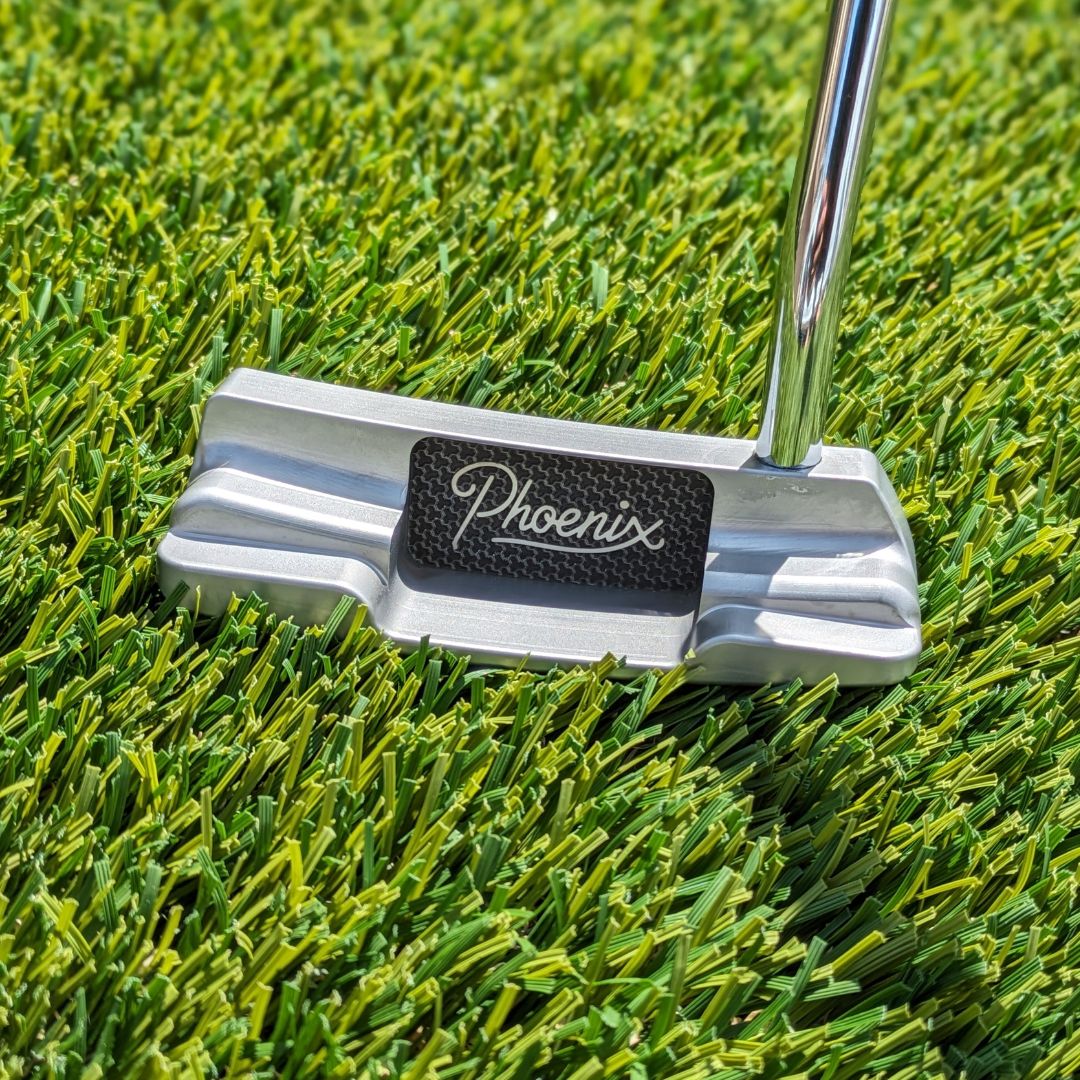
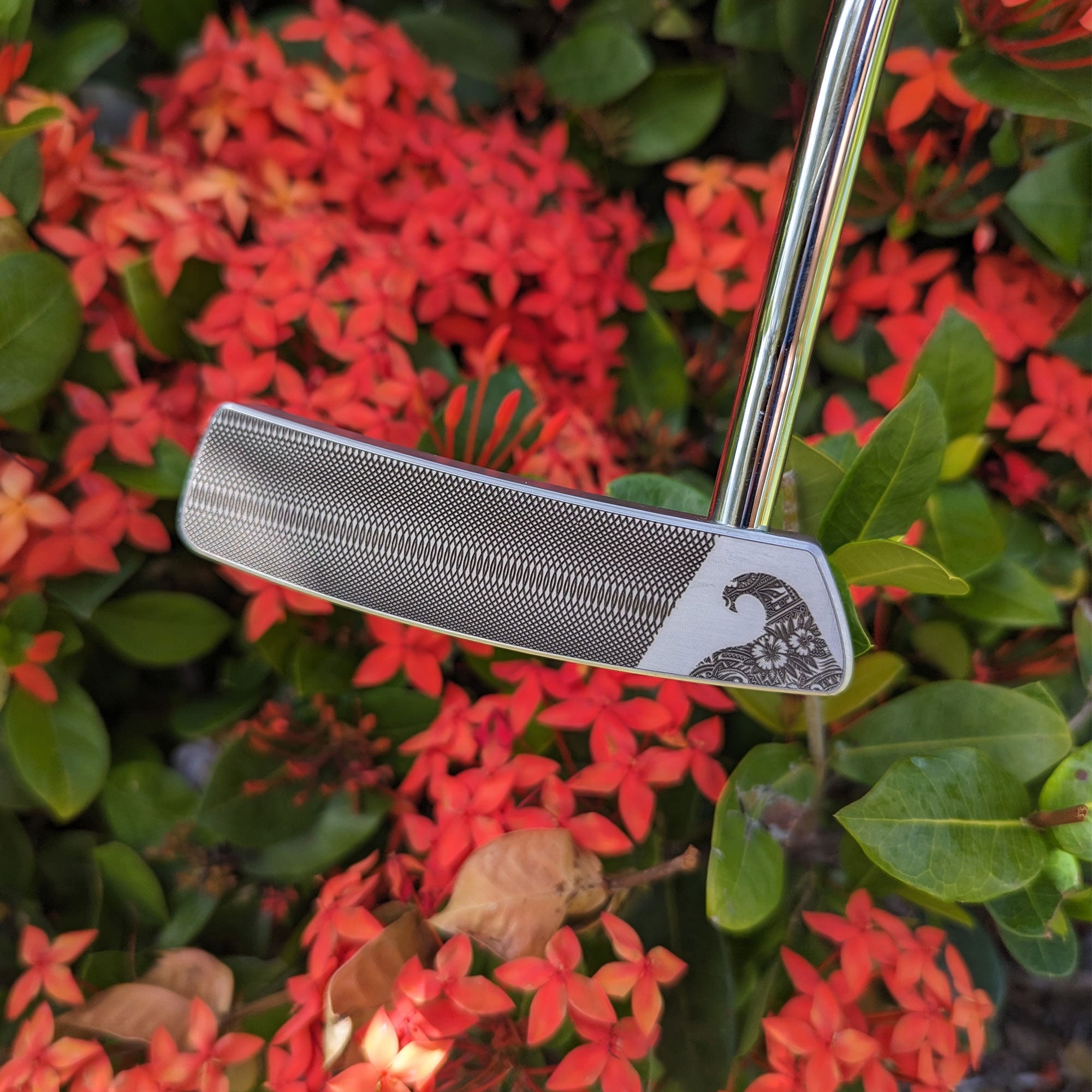
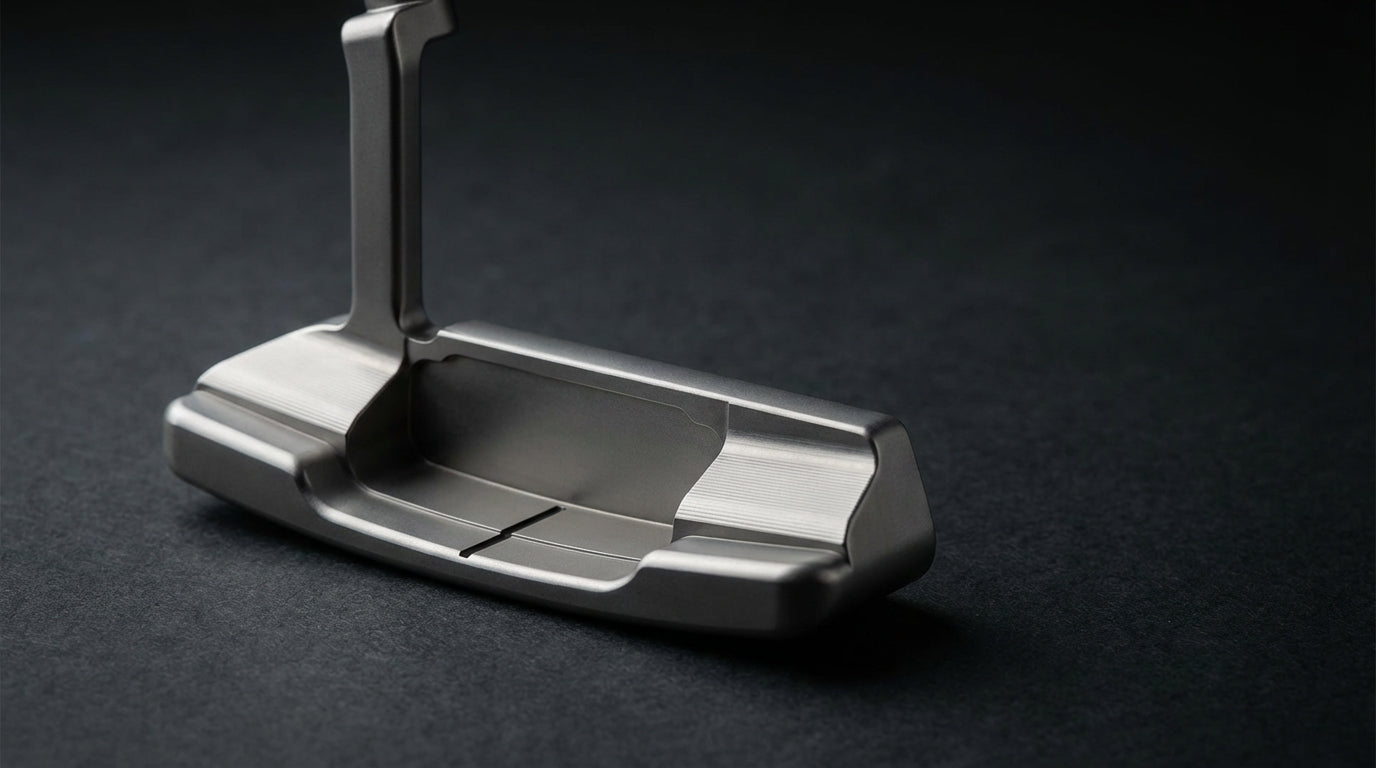
The Phoenix Putter Co Origin Putter is CNC milled from 303 stainless steel with your choice of horizontal lines or crosshatch face milling at $255—the kind of precision equipment that serious golfers deserve. It's a blade-style putter that delivers the feedback and control needed to improve distance consistency and build real confidence at address.
But whether you choose Phoenix or another quality option, the message is clear: your putter matters. Don't settle for equipment that's holding back your game. If you recognize yourself in any of these signs, start exploring your options. Your scorecard will thank you.

Leave a comment
This site is protected by hCaptcha and the hCaptcha Privacy Policy and Terms of Service apply.