
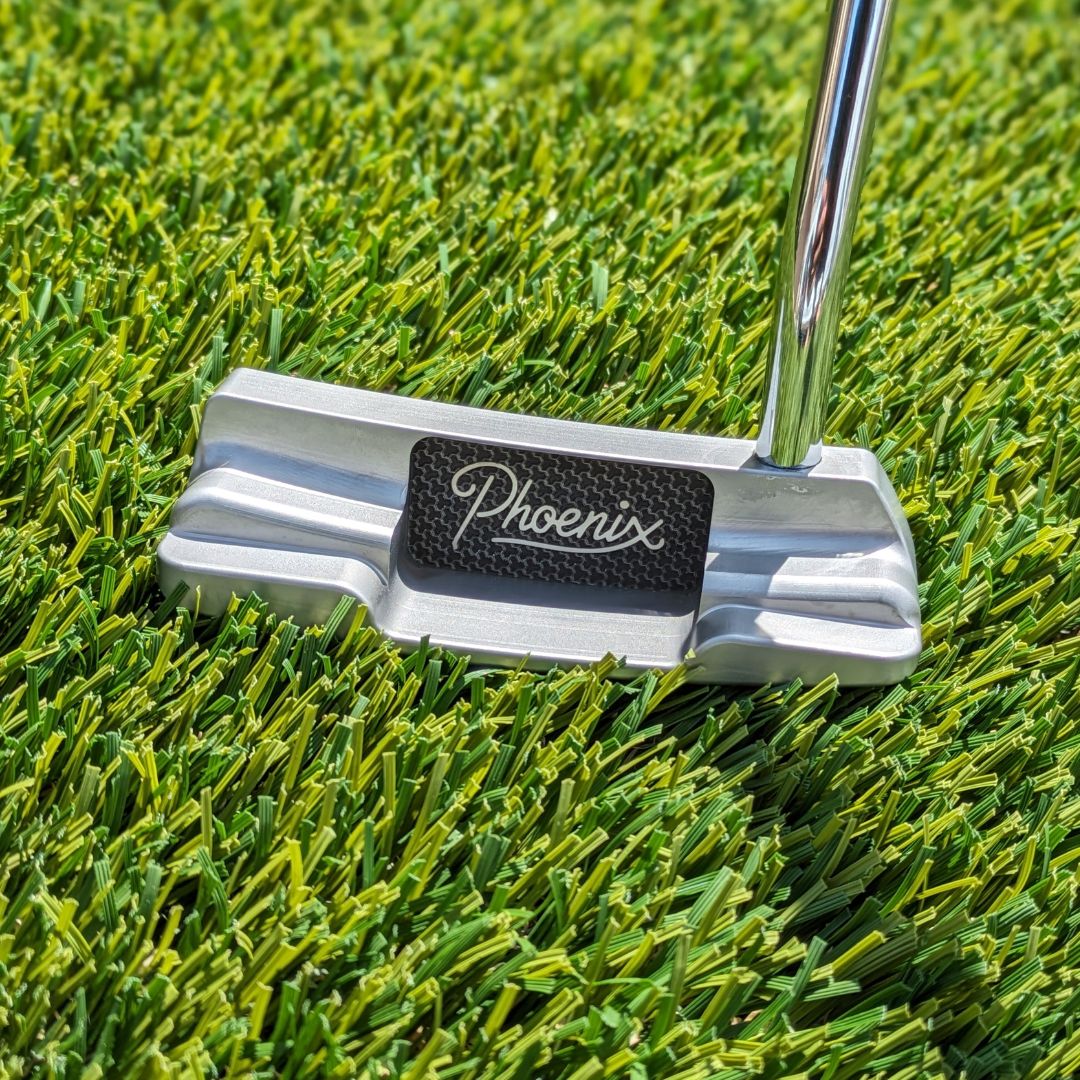

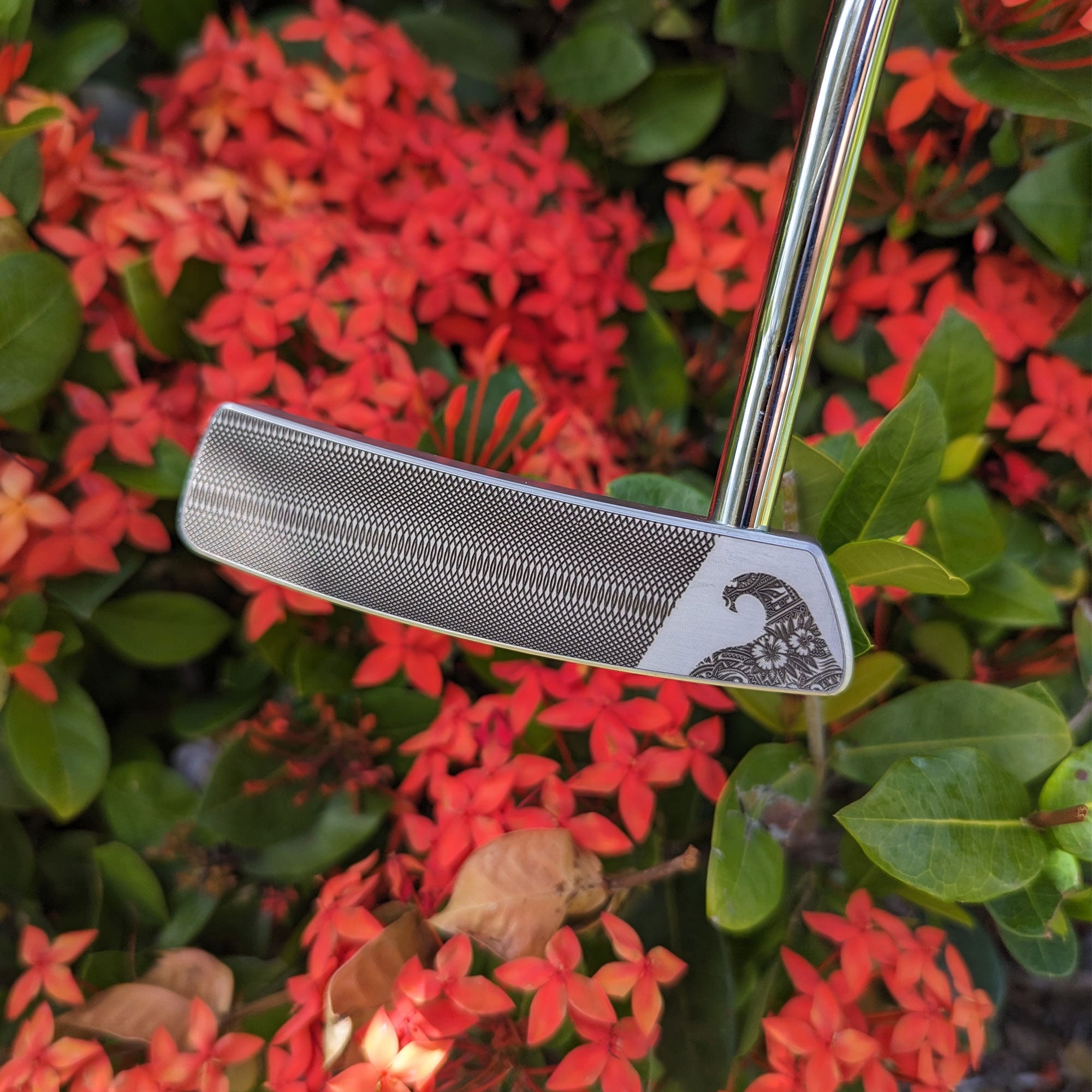
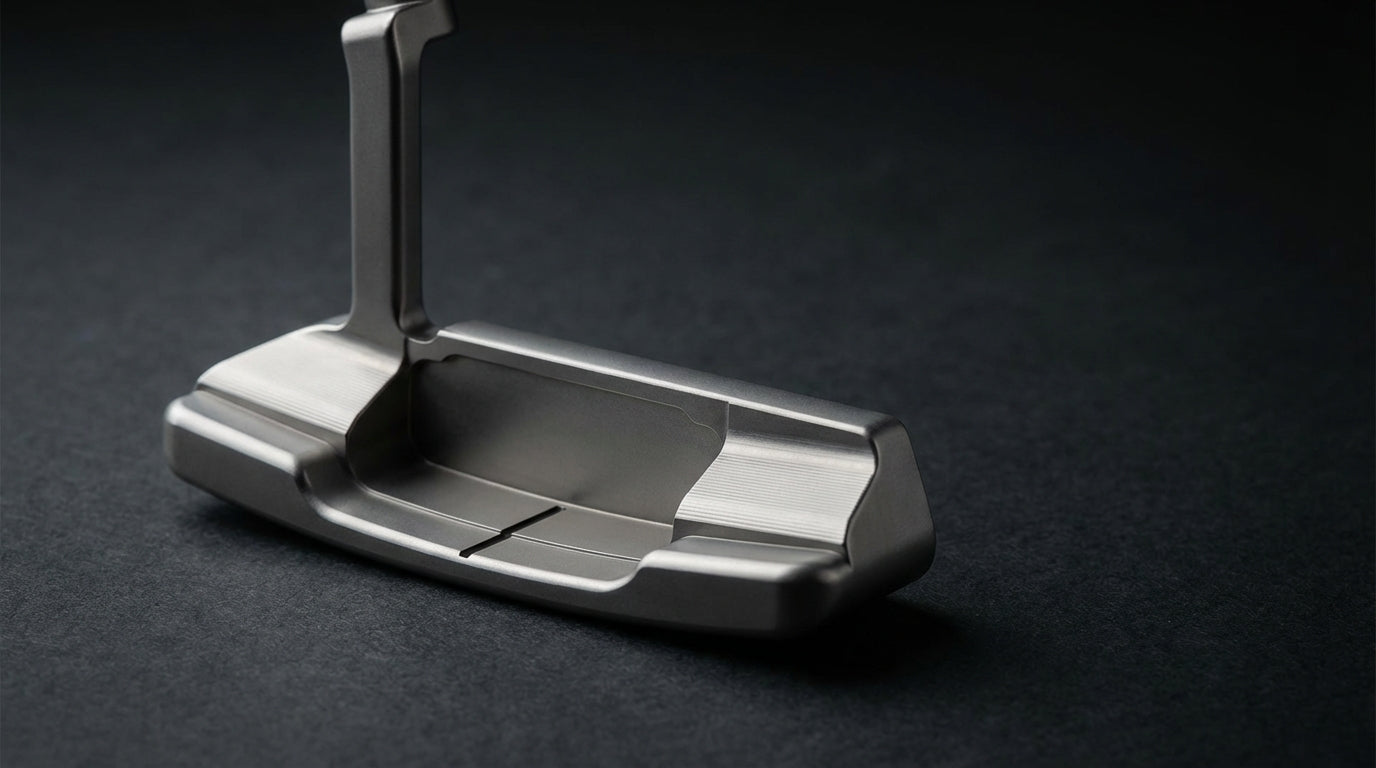
The difference between a milled putter and a cast putter represents one of the most significant equipment choices you'll make as a golfer. While many golfers understand that milled putters cost more, far fewer understand what a milled putter actually is, or why tour professionals and serious amateurs consistently choose CNC milled designs over their mass-produced alternatives. The answer lies in precision, performance, and the fundamental manufacturing process that separates these two categories of equipment. To see this process firsthand, take a look inside the Phoenix Putter Co workshop.
The CNC Milling Process Explained
A CNC milled putter begins as a single block of 303 stainless steel. Rather than being cast in a mold like traditional putters, the entire head is precisely machined using computer numerical control technology. At Phoenix Putter Co, our Origin Putter exemplifies this process. Starting with a solid billet of 303 stainless steel, our CNC machines remove material strategically to create the exact specifications your putter demands. Every groove, every curve, and every dimension is controlled to tolerances measured in thousandths of an inch.
The milling process offers complete control over the final product. Unlike casting, where molten metal is poured into a mold and cooling can create inconsistencies, milling produces identical results every single time. This consistency means that when you purchase a CNC milled putter, you're getting a head that performs exactly as designed. The face remains perfectly flat. The sole maintains proper geometry. The weight distribution matches the specifications precisely.
The beauty of a CNC milled putter lies in its flexibility. Because the manufacturing process involves computer-controlled machines and custom programming, each putter can be customized to individual specifications without retooling or expensive setup costs. You can choose your preferred face milling pattern, customize dimensions, or adjust weight distribution. This made-to-order capability transforms your putter from a one-size-fits-most commodity into a precision instrument designed around your stroke.
The material choice matters significantly. The Origin Putter uses 303 stainless steel specifically because of its superior machinability and exceptional feel characteristics. Stainless steel provides the ideal balance of hardness and damping properties. It resists corrosion, maintains its surface finish over years of use, and creates the soft feel that makes sweet contact so satisfying. The domestic sourcing of this material is another key part of what makes the Origin Putter a premium product from start to finish.
Milled Versus Cast: A Side-by-Side Comparison
Understanding the practical differences between a milled and cast putter requires looking beyond manufacturing method to actual performance characteristics. Cast putters, produced by pouring molten metal into molds, offer significant cost advantages. They're faster to produce, require less capital investment, and can be mass-manufactured with minimal variation. For these reasons, they dominate the mid-market putter category and represent the choice of most recreational golfers.
However, a CNC milled putter delivers advantages that compound over time. First, precision. A milled putter maintains exact specifications that a cast head cannot replicate. The face remains perfectly perpendicular to the shaft. The sole geometry stays consistent throughout the entire production run. For a golfer working to develop a repeatable stroke, this precision provides a stable foundation. Your putter won't surprise you with inconsistencies that stem from manufacturing variables.
Second, consistency in feel. When you strike a putt with a milled putter, the feedback is always the same. The transition from impact to follow-through tells a consistent story about your stroke. This repeatability accelerates your ability to develop feel and calibrate distance control. With cast putters, subtle variations in material density or wall thickness can create variable feedback that confuses your sensory system and slows skill development.
Third, customization possibilities. Cast putters come in fixed configurations because changing the mold costs thousands of dollars. Milled putters, built through material removal rather than molding, can be customized economically. You can select your preferred face pattern, adjust lofts, modify grinds, or refine dimensions without paying for retooled production. This flexibility means the putter can evolve with your preferences and game.
Finally, longevity and resale value. A high-quality milled putter maintains its performance characteristics indefinitely. The surface may show character marks from years of play, but the fundamental geometry never changes. This consistency means your putter performs the same way in year one as it does in year ten. A milled putter, with no casting defects to propagate, simply gets better-looking with age.
Why Tour Players Prefer Milled Putters
Professional golfers have access to unlimited equipment options. If cast putters performed as well as milled alternatives, tour pros would use them exclusively. Instead, milled putters dominate professional equipment bags. This preference isn't based on brand prestige or marketing. It's based on performance.
Tour professionals benefit from the consistency that CNC milling delivers. When you're playing for millions of dollars, your equipment cannot contain variables. Every putter in your tour bag must perform identically. Milling guarantees this. A professional can take a milled putter from Phoenix Putter Co to tournament after tournament, knowing its performance will never vary. The face will maintain its structure. The sole will glide the same way through grass. The weight distribution will remain identical.
The feedback advantage also matters at the professional level. Tour players develop extraordinary feel through thousands of hours of practice. They've trained their hands to detect minute variations in impact location, club head speed, and stroke mechanics. A milled putter delivers the clear, consistent feedback that allows these athletes to fine-tune their performance. The acoustical signature of each shot, the vibration feedback through the grip, and the response from the ball all remain consistent, allowing professionals to accumulate data points that inform their performance.
How to Know If a Milled Putter Is Right for You
Not every golfer needs a milled putter. Your equipment choices should match your commitment level, handicap, and putting intensity. However, certain indicators suggest that a milled putter represents the right investment for your game.
First, examine your putting practice habits. If you practice putting seriously, dedicating significant time to distance control, line reading, and stroke refinement, a milled putter becomes a valuable tool. The consistent feedback and precision will accelerate your skill development. Conversely, if you play casually and spend minimal time on the practice green, a quality cast putter will serve you perfectly well.
Second, think about putting importance in your overall game. Good putting can compensate for weaker long game play. If you believe that improving your putting can meaningfully lower your handicap, investing in precision equipment makes sense. A milled putter won't make you a great putter if your fundamentals aren't sound, but it will eliminate equipment variables that might otherwise hold you back. If you're unsure whether your current putter is limiting you, check the 5 signs it's time to upgrade your putter.
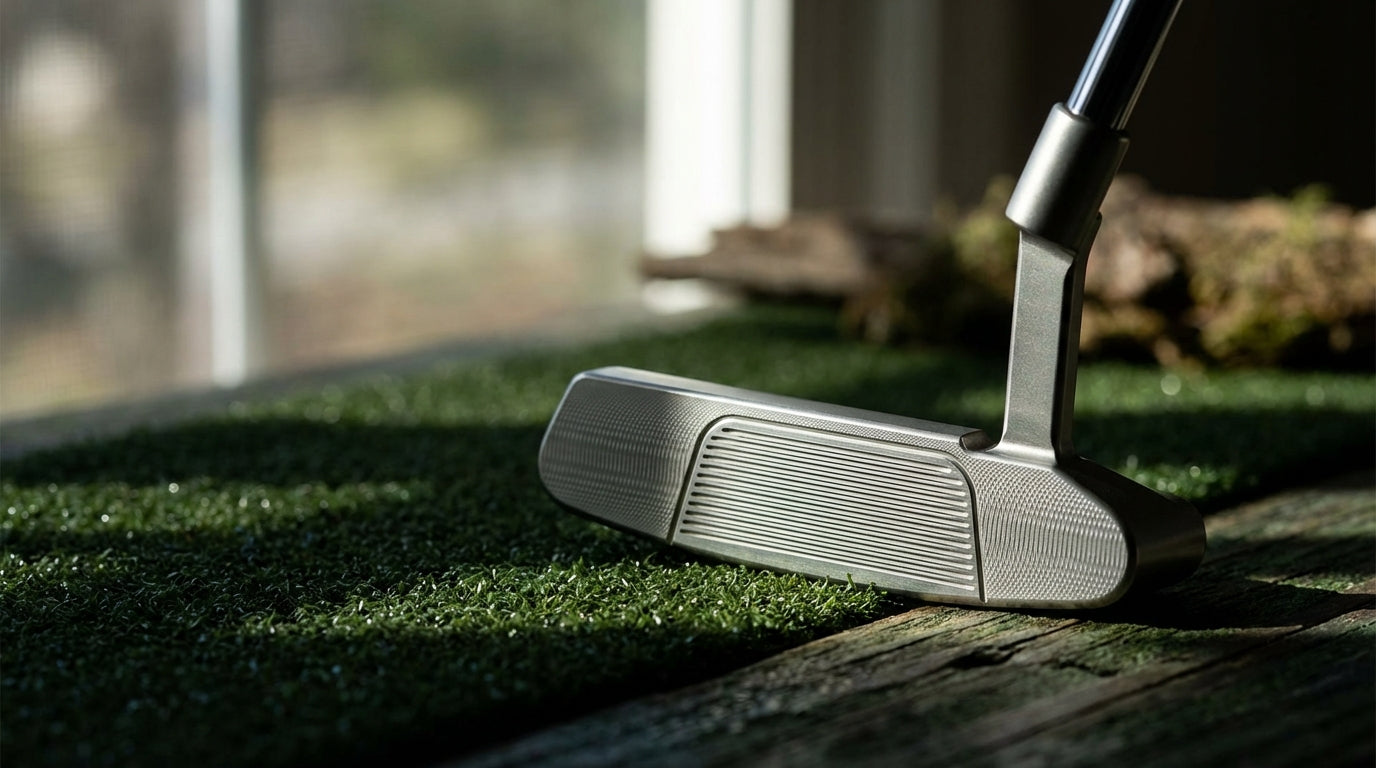
The Origin Putter from Phoenix Putter Co represents the accessible entry point into milled putter technology. Priced at $255, it offers CNC-milled precision in a classic blade design without requiring a significant financial commitment. You choose between two face milling options: horizontal lines that provide a traditional texture, or crosshatch pattern for more aggressive ball-striking characteristics. Both options deliver consistent feedback and performance. Pair it with the right putter grip and you have a complete, precision-built putting setup ready to lower your scores.
A milled putter represents an investment in precision, consistency, and performance. Whether you're seriously working to lower your handicap or simply want the most consistent putting tool available, understanding what a milled putter is and why professionals choose CNC milling over casting helps you make the right equipment decision for your game.


Leave a comment
This site is protected by hCaptcha and the hCaptcha Privacy Policy and Terms of Service apply.