


Putting accounts for approximately 40% of your golf score, yet many golfers spend more time optimizing their driver than perfecting their short game. The truth is that equipment choices in putting are far from trivial. Every specification—from putter weight to grip diameter—directly influences your stroke mechanics and consistency. Understanding the science behind these variables can help you make informed decisions that lower your scores. Let's explore how specific equipment characteristics impact putting performance and why precision-designed putters matter.
The Critical Role of Putter Weight in Tempo Control
Putter weight fundamentally affects your stroke tempo and distance control. A heavier putter head creates a larger moment of inertia, which means the putter is more resistant to changing speed and direction during the stroke. This stability directly correlates to how putter weight influences your performance on the green.
When you swing a heavier putter, your body naturally synchronizes with the additional mass. The weight acts as a pendulum, creating a smoother, more controlled tempo that's easier to repeat consistently. Most golfers swing a heavier putter with a lower overall velocity, but this reduction in swing speed is actually beneficial for putting. Lower speeds mean tighter control over distance, particularly critical for lag putting and those crucial three-foot makers.
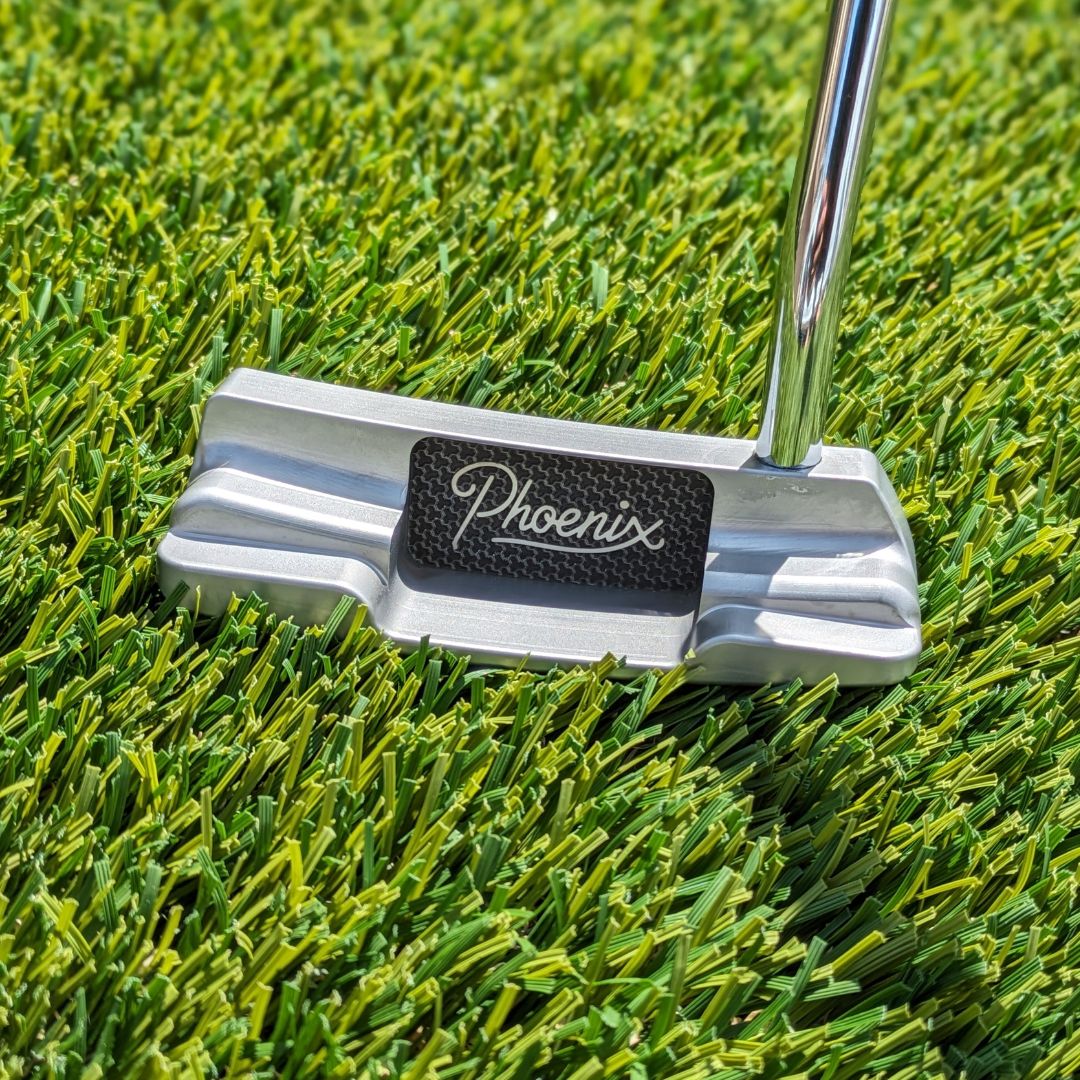
Conversely, a lighter putter requires more muscular effort to control, increasing the risk of tempo variations. Many amateur golfers struggle with inconsistent distances from similar putt lengths, often due to inconsistent tempo driven by equipment that doesn't match their stroke mechanics. The Origin CNC Milled Blade Putter features a precisely-calibrated 300-gram head weight, engineered to optimize the natural pendulum motion of your stroke.
Grip Size and Hand Tension: The Connection You're Missing
Most golfers don't realize that grip diameter directly impacts hand tension and, subsequently, stroke quality. A grip that's too small forces your hands to squeeze tightly to maintain control, creating excessive tension that travels up your arms and destabilizes your stroke. This tension restricts the natural pendulum motion that creates consistent putting distance.
Conversely, a grip that's oversized can feel too bulky in your hands, creating an awkward feel that reduces feedback and increases the likelihood of erratic stroke path. The optimal grip diameter is one that allows your hands to maintain a light, relaxed pressure while still feeling secure throughout the stroke.
For a detailed breakdown of this critical element, our guide on how to choose the right putter grip covers every variable—size, material, texture, and shape. Phoenix Putter Co offers the Origin Putter with three grip options—the Phoenix Tour Grip, Super Stroke X Traction, or Winn 2020 VSN Midsize Pistol—so you can select the diameter and material that best matches your hand size and grip pressure tendencies.
Research in sports biomechanics shows that grip tension directly correlates with stroke inconsistency. By choosing a grip size that naturally reduces hand tension, you're setting the foundation for more repeatable putting strokes and improved distance control.
Face Milling Technology: Engineering Better Ball Roll
The face of your putter isn't merely a flat striking surface—it's a precisely engineered interface that dramatically affects initial ball direction and roll characteristics. Understanding how face milling patterns affect your putting is one of the most underappreciated aspects of equipment selection.
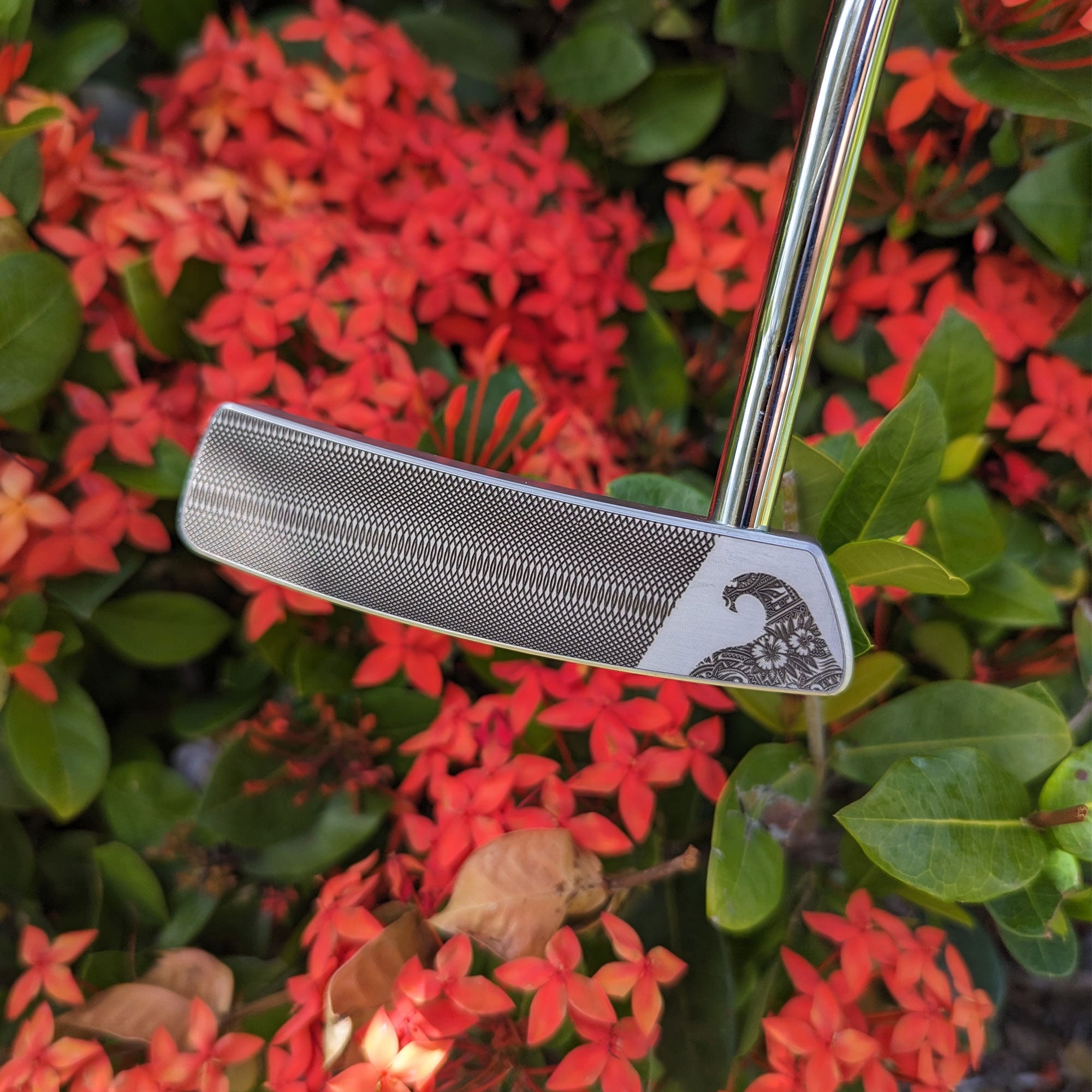
CNC milling technology allows manufacturers to create specific patterns that serve distinct performance purposes. Horizontal milling lines increase friction at impact, helping to compress the ball and promote forward roll more quickly. Crosshatch patterns provide a balance of friction and consistency across various impact locations on the face. These aren't decorative—they're functional engineering with measurable effects on roll quality.
The Phoenix Origin Putter offers a choice between horizontal lines and crosshatch milling patterns. Each pattern affects ball speed, spin rate, and the distance the ball travels before settling into its truest roll. When you understand your stroke characteristics and the greens you typically play, you can select the milling design that maximizes consistency for your specific conditions.
Shaft Length and Lie Angle: Your Posture Foundation
The geometry of your putter—specifically shaft length and lie angle—determines your posture during the stroke, which in turn influences eye position and target alignment. Many golfers overlook these specifications, yet they're fundamental to consistent putting.
Shaft length affects how far your hands are from your body. A putter that's too short forces you into an overly bent posture, compromising stability and creating excessive hand action. A putter that's too long can place your hands too far from your body, making it difficult to maintain a vertical pendulum stroke. The optimal shaft length supports a comfortable, athletic posture that feels natural to your proportions.
Lie angle—the angle between the shaft and the sole of the putter—ensures that the sole remains flat to the ground throughout your stroke. If the lie angle doesn't match your posture, the heel or toe of the putter will lift during the stroke, subtly closing or opening the face and sending balls offline. This single variable explains why some golfers struggle with directional consistency despite excellent tempo and intent.
Your eyes should be positioned directly over the ball, allowing you to aim accurately along your intended line. When shaft length and lie angle are properly matched to your height and posture, this positioning becomes natural and repeatable—another reason why a professional putter fitting is worth every minute.
Material Choice: Steel vs. Insert—Feel, Feedback, and Learning
The material composition of your putter head affects both the feel at impact and the feedback you receive—feedback that directly drives improvement over time.
Stainless steel putters, like the Phoenix Origin Putter's 303 stainless steel head, provide a crisp, responsive feel at impact. This material offers excellent durability and weight consistency since it can be milled precisely without material degrading over time. The feedback from stainless steel is immediate and clear—you instantly know if you struck the center or missed it, providing valuable information for your next stroke.
Insert materials like urethane or aluminum soften the feel, reducing vibration and creating a gentler impact sensation. While some players prefer this dampening, it can reduce the quality of feedback about impact consistency. When you can't clearly feel whether you hit center, you miss opportunities to self-correct and improve. To understand more about what sets a milled stainless putter apart, explore premium custom milled putters and their advantages.
Bringing It Together: A Science-Backed Approach to Putter Selection
Putting excellence emerges from understanding how equipment specifications interact with your unique stroke characteristics. Rather than chasing trends or playing with whatever putter is on sale, serious golfers should approach putter selection systematically—considering how weight, grip, milling, geometry, and materials align with their body and stroke mechanics.
If you're noticing gaps in your putting game, it's time to invest in equipment engineered with precision. The Phoenix Putter Co Origin Putter exemplifies how thoughtful design—from its 300-gram 303 stainless steel head to its milling options and grip choices—translates the science of putting into tangible performance improvement.
The difference between a good putter and a great one isn't luck—it's science. By understanding how each variable affects your stroke and selecting premium putter grips and equipment that supports your mechanics, you can systematically improve your putting consistency and lower your scores.
Frequently Asked Questions
How does putter weight affect my putting distance control?
A heavier putter head acts as a pendulum, creating a more stable, repeatable tempo. This natural rhythm reduces the muscular effort required to control the stroke, resulting in more consistent distances. Most golfers benefit from heavier putters (320-380 grams) because the weight promotes the smooth, pendulum-like motion that distance control demands.
What grip size should I choose for my putter?
Your grip size should allow your hands to maintain light, relaxed pressure throughout the stroke. If your grip is too small, you'll squeeze excessively; too large, and it won't feel secure. Most golfers fit somewhere in the midsize range, but a professional fitting can determine your optimal diameter based on hand size and grip pressure tendencies.
Why does putter face milling matter?
Face milling patterns affect how the ball responds at impact and how quickly it transitions into its truest roll. Horizontal lines promote rapid forward roll; crosshatch patterns provide consistency across varying impact points. The right pattern depends on your stroke characteristics and the green speeds you typically encounter.
Can lie angle really affect my putting accuracy?
Yes—incorrect lie angle causes the heel or toe to lift during the stroke, subtly opening or closing the putter face at impact. This misalignment happens unconsciously and directly impacts directional consistency. Having your lie angle matched to your posture through professional fitting is one of the highest-ROI improvements you can make.


Leave a comment
This site is protected by hCaptcha and the hCaptcha Privacy Policy and Terms of Service apply.