
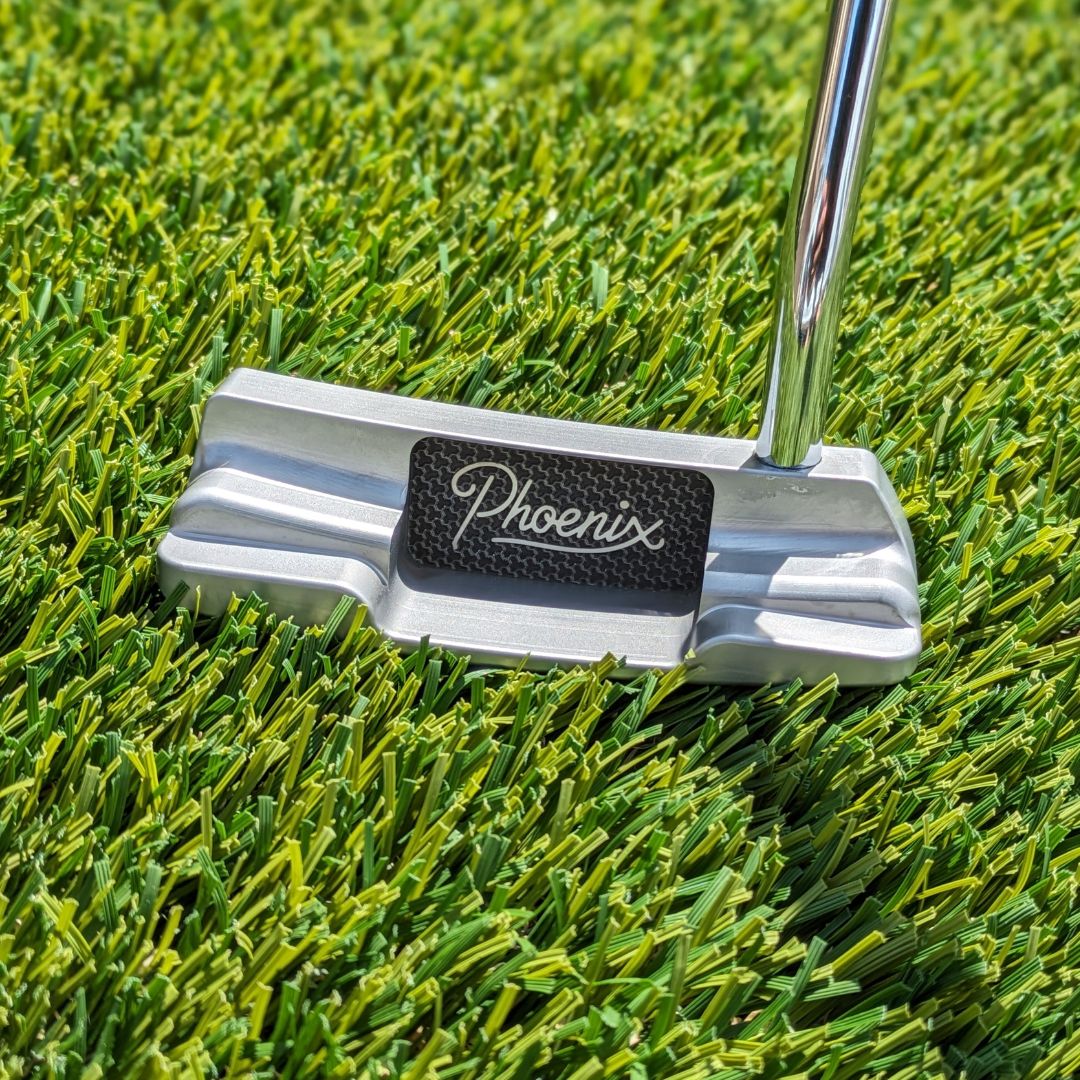

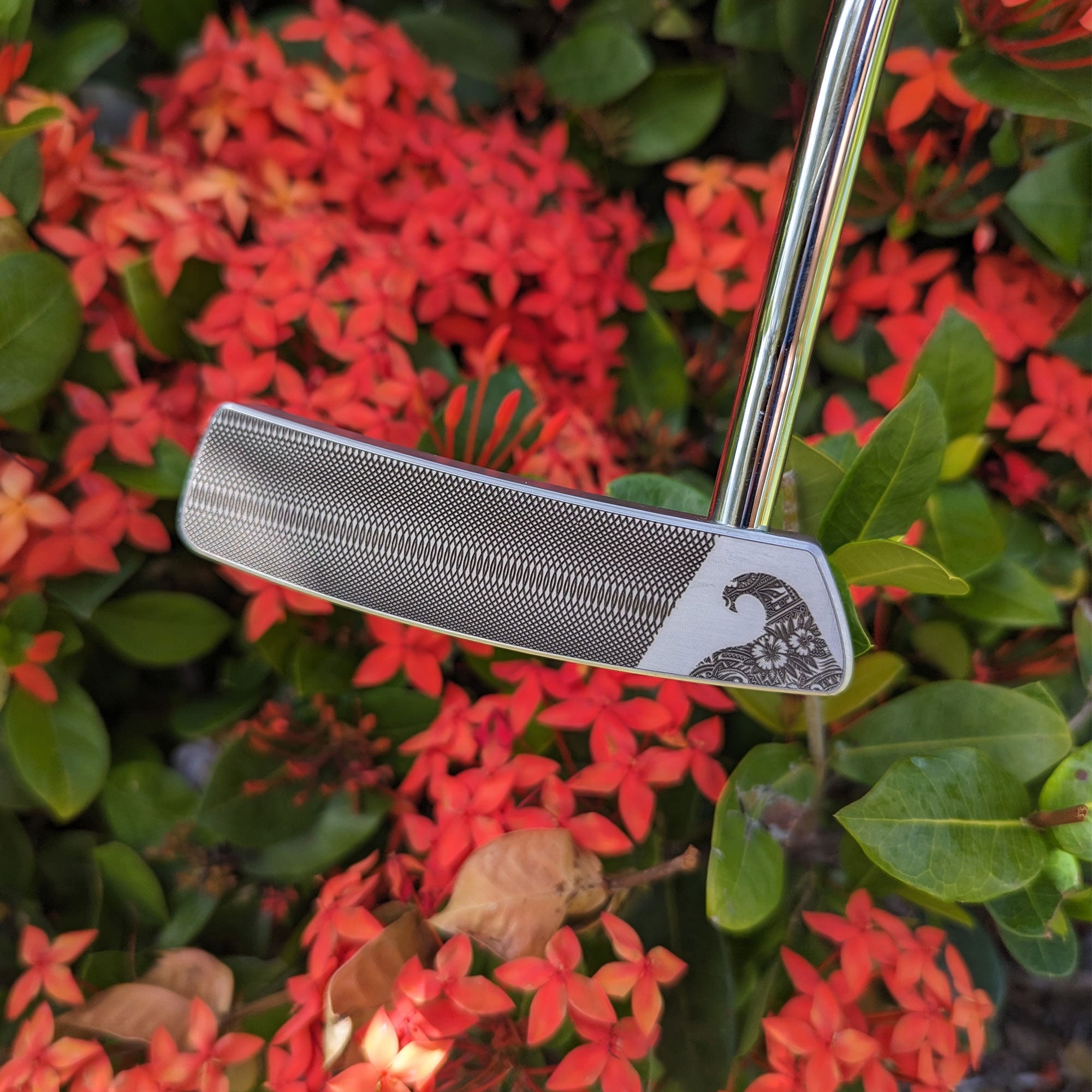

A quality putter represents a significant investment, whether you're purchasing a premium milled putter like the Origin or selecting from other excellent options. Proper care ensures your putter performs consistently and maintains its finish and appearance for decades. Learning how to care for a putter correctly separates equipment that deteriorates into equipment that ages gracefully, becoming increasingly reliable as years pass.
Cleaning Your Putter the Right Way
Your putter accumulates dirt, grass residue, moisture, and environmental contaminants throughout each round. Regular cleaning prevents buildup that can affect performance and appearance.
The basic cleaning process requires minimal equipment. After each round, use a soft, damp cloth to gently wipe the entire putter head, paying particular attention to the face and sole. The Birdie Magnetic Waffle Towel ($30) proves invaluable for this task. Constructed from microfiber with a magnetic clip, this specialized towel removes moisture and light debris without scratching your putter finish. The microfiber material effectively absorbs water and removes grass residue without requiring excessive pressure or harsh materials.
For the putter grip, use the same soft, damp cloth to wipe down the surface. Avoid excessive moisture on the grip, as water absorption can eventually affect the grip's feel. If your grip becomes visibly soiled with grass stains or dirt, a slightly soapy water solution on your cloth works well. Rinse thoroughly with clean water and dry completely.
The grooves or milling pattern on your putter face deserve particular attention. Over time, dirt and grass residue can accumulate in these grooves, potentially affecting ball contact. After your dampened cloth treatment, use an old soft toothbrush to gently brush the face, working across the grooves to dislodge accumulated debris. This gentle brushing removes stubborn residue without damaging the milled surface. To understand why these milling patterns matter so much to performance, see our guide on how face milling patterns affect your putting.
For stubborn stains or oxidation that develops over time, a paste of baking soda and water works effectively on stainless steel. Apply the paste to the affected area, let it sit for a few minutes, then gently scrub with a soft brush or cloth. Rinse thoroughly and dry completely. Avoid abrasive cleaners or harsh chemicals that might damage the finish or remove patina that develops naturally over years of use.
Proper Storage at Home and in Transit
How you store your putter when not in use significantly affects its longevity and performance consistency.
At home, store your putter in a cool, dry location. Avoid extreme temperature fluctuations that can affect metal expansion and contraction. The ideal home storage location maintains relatively consistent temperature year-round. A climate-controlled closet is ideal. Avoid garages subject to temperature swings, attics that experience heat extremes, or basements prone to moisture.
The Putter Vault Case ($44) represents the premium storage solution for serious golfers. This EVA hard shell case protects your putter during storage and travel, maintaining a secure, organized environment. The case design accommodates your putter, multiple grips, and accessories while occupying minimal space. Unlike soft covers, the hard shell protects against impact, crushing, and pressure that might otherwise gradually affect a putter head over time.
For longer-term storage, ensure your putter is completely dry before putting it away. Even small amounts of moisture trapped against metal can eventually initiate corrosion or spotting. If you're storing your putter for an extended period, consider placing silica gel packets in the storage case to absorb any ambient moisture.
During transit, the Putter Vault Case provides optimal protection. The hard shell case prevents your putter from shifting inside golf bags, prevents impacts from other club heads, and isolates your putter from moisture and contamination. If you travel frequently, the putter case becomes an essential investment. The cost is negligible compared to the protection it provides. For more general putter care best practices, the published resource on maintaining your custom putter for longevity is worth reading alongside this guide.
Putter Cover Best Practices
The OG Putter Cover ($35) serves an important role in protecting your putter from scratches, weather exposure, and accidental impacts. This vegan leather cover with magnetic closure and fleece liner combines functionality with refined appearance.
Use your putter cover whenever your putter isn't actively in use. On the golf course, cover your putter between holes. This simple habit prevents accidental impacts, protects the finish from exposure to elements, and keeps your putter clean during play. The magnetic closure on the OG Putter Cover makes it remarkably convenient. You're far more likely to use the cover consistently if the magnetic closure keeps it secured to your putter bag rather than requiring fussy fastening or struggling with difficult closures.
The fleece liner protects your putter face from scratches and maintains the finish condition. Over years of use, a quality cover prevents thousands of micro-scratches that would otherwise accumulate. This protection proves particularly valuable for milled putters where the finished surface is part of the performance and aesthetic appeal.
The vegan leather exterior of the OG Putter Cover develops a patina over time as it's exposed to sun and use. Rather than detracting from the cover's appearance, this character aging enhances it. The cover gradually becomes more personalized and distinguished as it ages alongside your putter.
When to Re-Grip
Your putter grip gradually deteriorates as it's exposed to environmental conditions, hand oils, and regular use. Even quality grips eventually require replacement.
Most putter grips maintain reasonable condition for two to three years of regular play before showing significant wear. Grips that receive heavy use, are exposed to harsh weather conditions, or live primarily in a hot car might need replacement sooner. Grips that receive light use and are properly stored might last longer.
Warning signs that your grip requires replacement include a noticeably slick surface that causes your hands to slip even in dry conditions, cracks or tears in the grip material, hardening or stiffening of the grip surface that reduces your ability to feel the club, or significant discoloration or staining that doesn't clean away with gentle washing. If you notice these signs, it might also be time to review our full guide on how to choose the right putter grip—a grip change is the perfect opportunity to optimize size, material, and texture for your stroke.
When replacing your grip, consider this an opportunity to potentially adjust your grip size, material, or texture. If you've been using a standard grip and consistently feel like you're struggling with hand control, switching to a midsize grip like the Winn 2020 VSN Midsize Pistol Grip ($28) might reveal an improvement you didn't know you could achieve. If you're gripping too tightly, switching to a smoother grip like the Phoenix Putter Tour Grip ($25) might immediately relax your hands.
Many golf shops offer grip replacement services. They can install a new grip on your putter quickly and affordably. Alternatively, if you're confident in your abilities, grip replacement can be a straightforward DIY project using grip solvent, a new grip, and basic tools.
The investment in grip replacement is minimal relative to the improvement it provides. A worn grip gradually diminishes your connection to your putter and increases hand tension during the stroke. Replacing a worn grip often produces an immediate improvement in putting performance that extends for several years. If you're noticing a pattern of equipment issues or performance decline, it may be worth reviewing the signs that it's time to upgrade your putter altogether—sometimes maintenance isn't enough.
Your putter represents the most frequently used club in your bag. Treating it with care ensures it performs at its highest level throughout your golf lifetime. The time you invest in proper cleaning, storage, and maintenance returns value through decades of consistent performance and the satisfaction of using equipment that ages gracefully rather than deteriorates through neglect.

Leave a comment
This site is protected by hCaptcha and the hCaptcha Privacy Policy and Terms of Service apply.