

Many golfers assume putters should have zero loft—a flat face striking the ball with no angle. But this assumption overlooks one of the most important specifications in putter design. Putter loft significantly impacts how the ball launches, spins, and rolls on the green. Understanding loft is essential for optimizing your putting performance and consistency.
Understanding Putter Loft
Putter loft is the angle of the clubface relative to vertical, measured in degrees. While your driver might have 10-12 degrees of loft, putters typically feature 2-5 degrees. This seemingly small angle profoundly affects ball flight immediately after impact and the ball's transition to rolling motion.
Loft serves a critical purpose: it launches the ball cleanly off the face and onto the green surface. Without adequate loft, the ball would tend to skid rather than roll, increasing inconsistency and distance variation. The right loft creates the ideal launch angle and rolling action for pure, consistent contact.
The Physics of Putter Loft and Ball Launch
When your putter strikes the ball, several things happen simultaneously:
- Launch Angle: Loft determines how high the ball launches off the face. Higher loft creates a higher launch angle, lifting the ball slightly before it transitions to rolling.
- Backspin Generation: Loft creates the backspin (often called topspin in putting context) that's necessary for the ball to transition from skidding to rolling smoothly and predictably.
- Skid Distance: The distance the ball skids (slides without rolling) before settling into true roll depends on loft, impact location, and green speed. Optimal loft minimizes skid and establishes rolling quickly.
The result: proper loft creates immediate rolling action, which is far more predictable and controllable than uncontrolled skidding across the green surface.
How Loft Affects Ball Roll Characteristics
Higher loft putters (4-5 degrees) produce:
- Higher launch angle, launching the ball cleanly onto the green surface with confidence
- More backspin, which slows the ball's forward rolling momentum slightly
- Shorter skid phase before settling into pure roll and consistent distance
- Softer landing, reducing impact marks on greens
- Better performance on faster, firmer greens that favor softer touch and control
Lower loft putters (2-3 degrees) produce:
- Lower launch angle, keeping the ball closer to the green surface throughout
- Less backspin, allowing the ball to maintain more forward momentum
- Slightly longer skid phase, extending total distance traveled
- Better performance on slower, softer greens where momentum is critical
- Increased sensitivity to impact location on the face
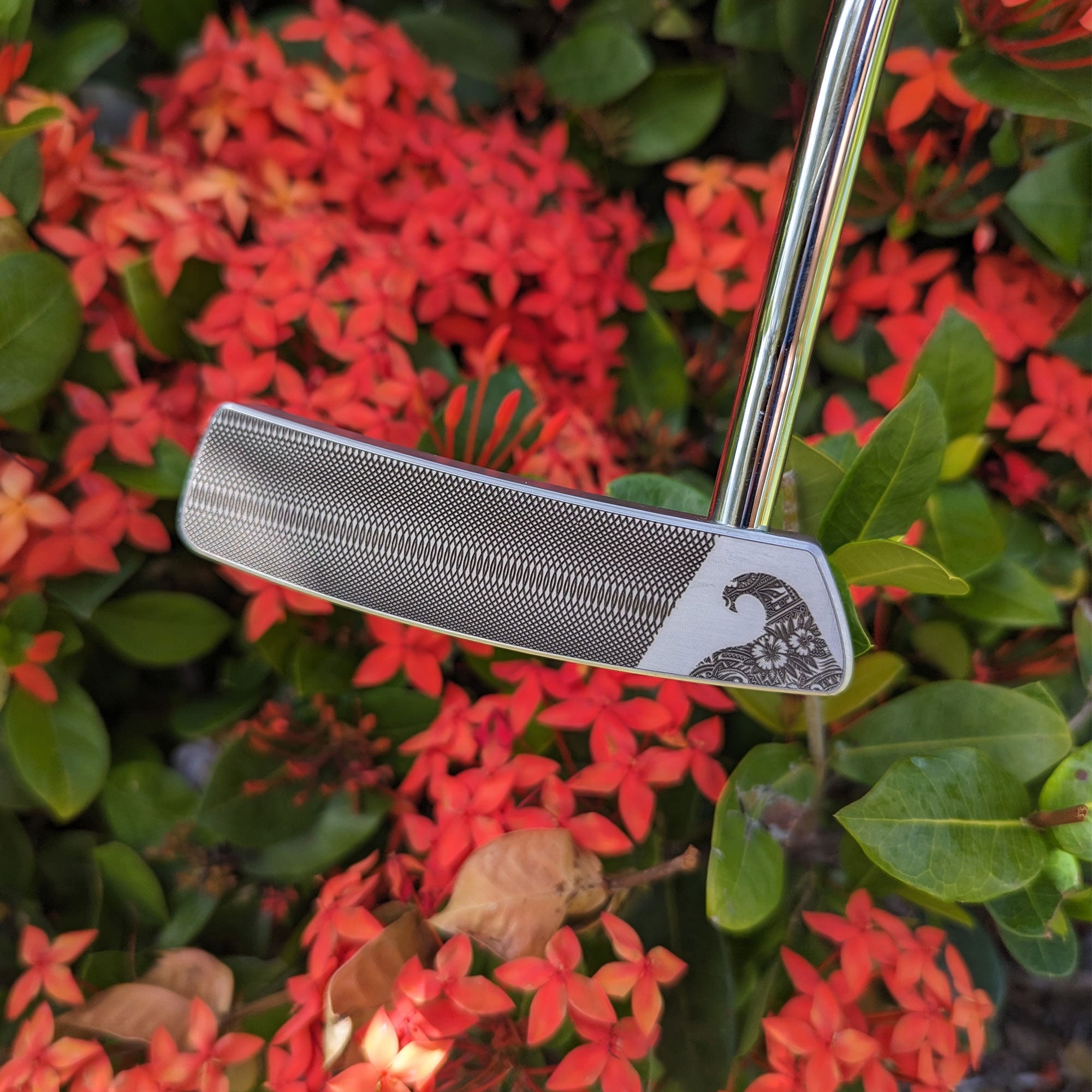
Groove pattern interacts with loft to enhance these effects, making both specifications important for complete performance optimization.
Optimal Loft Selection by Playing Conditions
Different courses and conditions call for different loft specifications:
Fast, Firm Greens
Tour-condition greens reward higher loft (4-5 degrees) because the firmer surface needs a ball that lands softly and settles quickly into rolling. Less skid means more predictable distance control and fewer surprises.
Slow, Soft Greens
Resort-style greens with softer bermuda or bent grass benefit from lower loft (2-3 degrees) because the ball needs momentum to penetrate the softer surface and maintain rolling distance without stopping short.
Variable Conditions
Most amateur golfers play variable conditions throughout the year. A mid-range loft (3-4 degrees) offers versatility, performing reasonably well across different green speeds and conditions. This is why 3-4 degrees is industry standard for broad appeal.
Loft and Impact Location on the Face
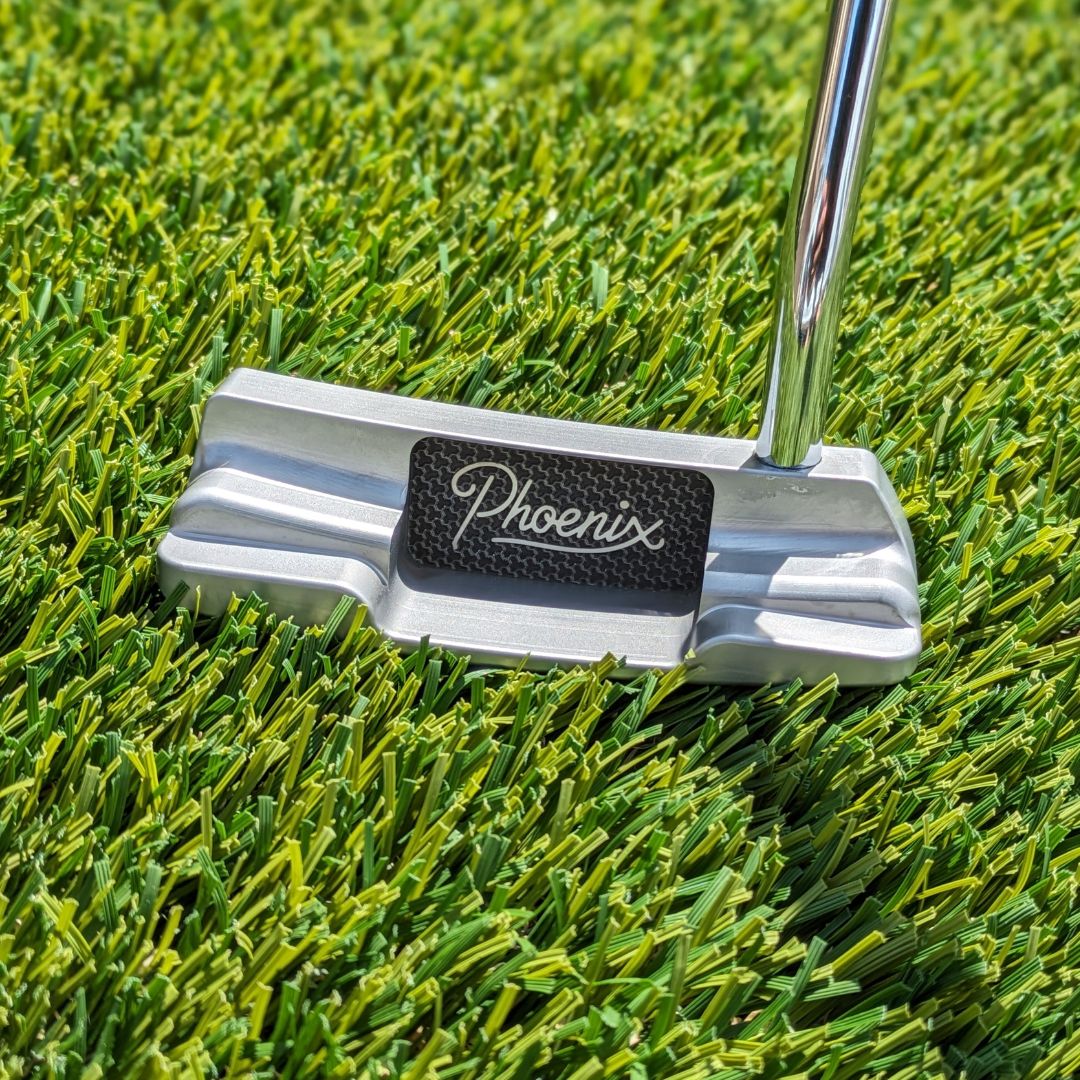
Where the ball strikes the putter face affects loft effectiveness significantly. Putters with precision milling allow consistent face loft across the entire sweet spot. Custom milled putters ensure uniform loft, reducing distance variation from off-center hits—a major advantage for consistency.
Toe or heel hits on a poorly milled face can produce significantly different launch angles, ball speeds, and rolling characteristics. This is why manufacturing precision and quality control matter so much in putter design.
Loft Interaction with Other Specifications
Putter loft doesn't work in isolation. It interacts with:
- Lie Angle: The angle between shaft and sole must align with loft for consistent launch. Improper lie angle can negate loft benefits and create inconsistent results.
- Face Angle: The direction the face aims (relative to shaft) determines aim line consistency independent of loft but affects overall setup.
- Weight Distribution: Center of gravity location affects how loft impacts ball launch and the feel of impact.
All putter specifications work together to optimize performance. Professional fitting considers these relationships and their interactions.
Finding Your Optimal Loft
Determining the right loft for your game requires:
- Understand Your Greens: Are they typically fast or slow? Firm or soft? This guides loft selection directly.
- Evaluate Your Stroke: Do you strike the ball in the center of the face consistently, or do you miss the sweet spot sometimes? Better strikers can use lower lofts effectively.
- Test Multiple Options: Borrow or test putters with different lofts on greens similar to your home course.
- Get Professional Fitting: A putter fitter can measure ball launch angle and rolling characteristics to determine what works best for your game.
Conclusion
Putter loft is far from an afterthought—it's a critical specification that directly impacts how your ball rolls and performs on the green. Whether you need the softer landing of higher loft or the momentum of lower loft depends on your greens, stroke consistency, and preferences. A proper putter fitting ensures your loft specification matches your game for predictable, consistent results.
Frequently Asked Questions
What is standard putter loft?
Standard putter loft ranges from 3-4 degrees. This provides a good balance of launch characteristics and rolling predictability across different green conditions and represents the most common specification.
Can I change a putter's loft after purchase?
Some adjustable putters allow loft changes, but most cannot be modified without professional equipment. Always get loft right during the fitting process rather than planning adjustments later.
Does higher loft always mean softer landing?
Yes, within normal ranges. Higher loft creates greater launch angle and more backspin, producing softer ball landing and shorter skid distance on the green.
How does loft affect long-range putts?
On longer putts, loft's impact is less noticeable since the ball spends less time skidding. On short putts, loft significantly affects how quickly the ball settles into rolling—a major factor in distance control and consistency.



Leave a comment
This site is protected by hCaptcha and the hCaptcha Privacy Policy and Terms of Service apply.