

Understanding the Critical Role of Your Putter Grip
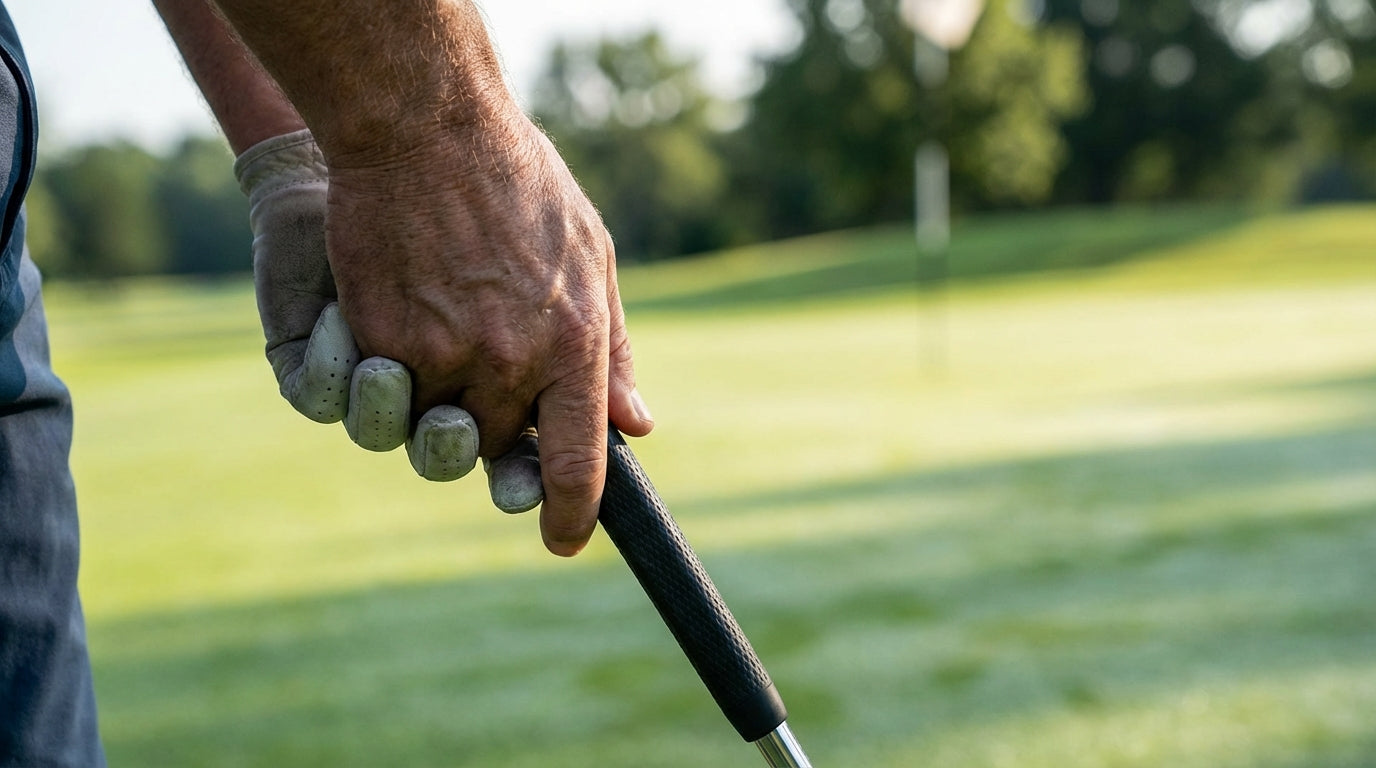
Your putter grip is the only connection between your hands and your putter—a direct channel for transmitting feel, control, and confidence to your stroke. While golfers obsess over putter head design and shaft characteristics, the grip often remains an overlooked component that silently shapes putting performance. Whether you're a weekend golfer seeking to improve consistency or a serious player chasing single-digit scores, understanding how grip fundamentals affect your game becomes essential to unlocking your true putting potential.
Types of Putter Grips: Finding Your Ideal Style
Putter grips come in several distinct styles, each designed to address different hand preferences and stroke mechanics:
- Pistol Grips — The traditional standard featuring a cylindrical shape with a trigger-like bulge near the bottom. This design naturally guides hand positioning and suits golfers who benefit from structural guidance.
- Flatso Grips — Featuring flattened surfaces on multiple sides, these grips promote consistency by automatically aligning your hands in the correct position every time.
- Jumbo Grips — Oversized configurations that reduce hand tension and encourage lighter grip pressure, ideal for golfers prone to gripping too tightly.
- Counterbalance Grips — Specially weighted to shift the club's balance point toward your hands, creating unique feel characteristics that appeal to specific stroke mechanics.
- Blade Grips — Minimalist designs that maximize feedback and feel for golfers seeking direct connection with their putter head.
Each grip style addresses different fundamentals. Golfers with inconsistent hand positioning benefit most from flatso designs that provide automatic alignment. Those struggling with excessive grip tension find relief with jumbo or counterbalance options that naturally relax their hands.
Materials Used in Putter Grips: Composition and Performance
Modern putter grips use diverse materials, each offering distinct tactile and performance characteristics:
- Rubber — The most common choice, offering excellent durability, consistency across temperature variations, and reliable grip throughout years of use. Rubber grips require minimal maintenance while delivering responsive feel.
- Cord or Wrap Materials — Woven reinforcement that increases traction and prevents hand slipping. Cord grips appeal to golfers playing in humid conditions or those with naturally moist palms during critical moments.
- Leather — Premium material providing traditional aesthetics and a softer feel. Leather grips require regular care but deliver a luxurious sensation many players associate with classic craftsmanship.
- Synthetic Composites — Advanced materials engineered to manage moisture, maintain consistent feel through your entire round, and prevent temperature-related changes in grip response.
Material selection directly impacts your sensory feedback and moisture management on the greens. Rubber provides versatility for most conditions. Cord materials enhance traction when consistency is your priority. Leather delivers premium feel for golfers valuing tactile experience. The right material choice ensures your grip performs as intended regardless of weather or pressure-induced perspiration.
Grip Size: Standard, Midsize, and Oversize Explained
Grip size represents one of the most misunderstood aspects of putter selection. Most golfers accept whatever grip came pre-installed, never considering whether that size optimizes their hand fit or mechanics. This oversight costs strokes.
Standard grips (approximately 1.6 inches diameter) suit golfers with small to medium hands. These allow lighter grip pressure and maximum feedback from the putter head, transmitting subtle cues about face angle and path directly to your hands.
Midsize grips (1.75–1.85 inches diameter) represent the most popular choice and work best for average-handed golfers. Midsize balances direct feel with stability, reducing unwanted hand movement while preserving feedback essential for consistent strokes.
Oversize grips (exceeding 1.85 inches) work best for golfers with larger hands or those seeking added stability. The larger diameter naturally encourages lighter grip pressure—a paradoxical benefit that reduces tension and promotes smoother, more rhythmic strokes. Oversize grips also dampen wrist action, helping golfers who struggle with excessive wrist break during the stroke.
Your hand size should determine your initial grip selection. The correct size reduces the conscious effort required to maintain proper grip pressure, allowing your stroke mechanics to flow naturally without tension fighting against grip sizing.
How Grip Fundamentals Affect Your Putting Stroke
Your putter grip influences three critical aspects of putting performance: grip pressure, hand positioning, and sensory feedback. When your grip size matches your hand size, achieving proper grip pressure becomes automatic rather than requiring conscious attention. This frees your mind to focus on rhythm, target line, and speed control—the true determinants of putting success.
Hand positioning consistency directly correlates with stroke consistency. Grips that guide your hands into the proper position—whether through flatso design or pistol shape—remove positioning variables that cause miss-hits. Premium putter grips are engineered to promote positioning consistency while delivering the tactile feedback your hands need to regulate stroke mechanics.
Sensory feedback completes the grip equation. Your hands detect minute variations in putter head movement, face angle changes, and impact characteristics. The right grip material and texture maximize this feedback channel. Softer materials provide gentle cushioning while preserving feel. Textured surfaces prevent hand slipping while maintaining direct contact between your hands and the club.
The Grip-Head Connection: Complete Putting System Design
Your putter grip doesn't function in isolation—it works as part of your complete putting system. When selecting custom milled putters, grip selection should complement your putter head design and shaft characteristics. A blade putter demands a grip that preserves feedback. A mallet demands a grip that stabilizes your hands without overwhelming through excessive bulk.
Understanding how individual components work together is essential. Our comprehensive guide on What Makes a Good Putter explores the complete system approach. For additional context on how design elements interact, explore our article on Putter Head Shapes & Toe Hang. If you're curious about material performance, check out Putter Metals and Materials.
Selecting Your Ideal Putter Grip
Start with hand size: Small hands benefit from standard grips. Average hands work with midsize. Large hands typically perform better with oversize. Next, assess your grip pressure tendency. Golfers prone to excessive tension benefit from larger grips that naturally relax hands. Those with lighter grip pressure appreciate textured options preventing slipping.
Consider moisture management based on your climate and perspiration patterns. Humid environments demand traction-focused materials and cord reinforcement. Dry climates allow emphasis on feel and responsiveness. Finally, evaluate whether your hand positioning remains consistent or drifts during the stroke. Consistent positioning means any pistol grip works fine. Drift issues suggest considering flatso designs for automatic alignment.
When building with Phoenix Putter Co, you have the flexibility to select your preferred grip for your custom putting setup. Each choice—whether you select a standard pistol grip, a flatso for automatic positioning, or a jumbo for reduced tension—directly shapes your sensory experience on the greens and your ability to hole putts consistently.
Frequently Asked Questions
What grip size should I choose if I'm uncertain about my hand size?
Start with midsize (1.75–1.85 inches diameter). This size accommodates most hand sizes and represents the most popular choice for golfers of all handicap levels. Once you experience midsize feel, you can experiment with slightly smaller or larger options to find your exact preference.
How often should I replace my putter grip?
Replace your grip when you notice deterioration in texture, reduced traction, or visible wear. Most durable rubber grips last 3–5 years of regular play before feel degrades. If your grip becomes shiny or slippery, replacement will immediately improve your putting consistency.
Can I change my grip without changing my putter?
Yes. Grip replacement is one of the most cost-effective upgrades you can make. Changing from a worn grip to a fresh one—or experimenting with a different style or size—often improves putting performance more noticeably than major equipment changes.
Do professional golfers use different grips than recreational golfers?
Professional golfers choose grips based on personal feel preferences and hand size, just like recreational golfers. The difference is professionals experiment extensively to find their ideal combination and remain loyal to proven setups. Premium materials and consistent feel matter more at the professional level, but the selection process follows the same fundamentals.


Leave a comment
This site is protected by hCaptcha and the hCaptcha Privacy Policy and Terms of Service apply.