
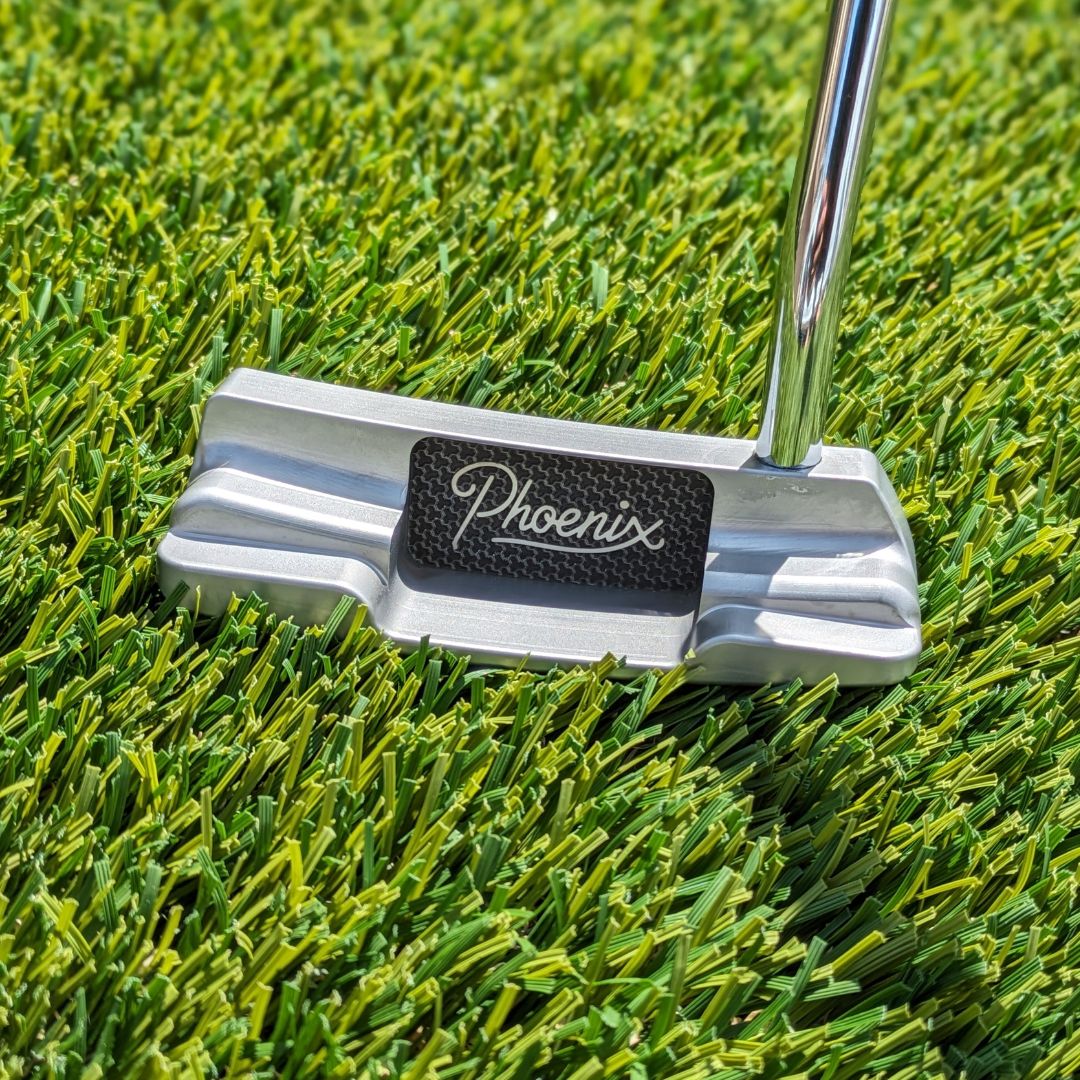

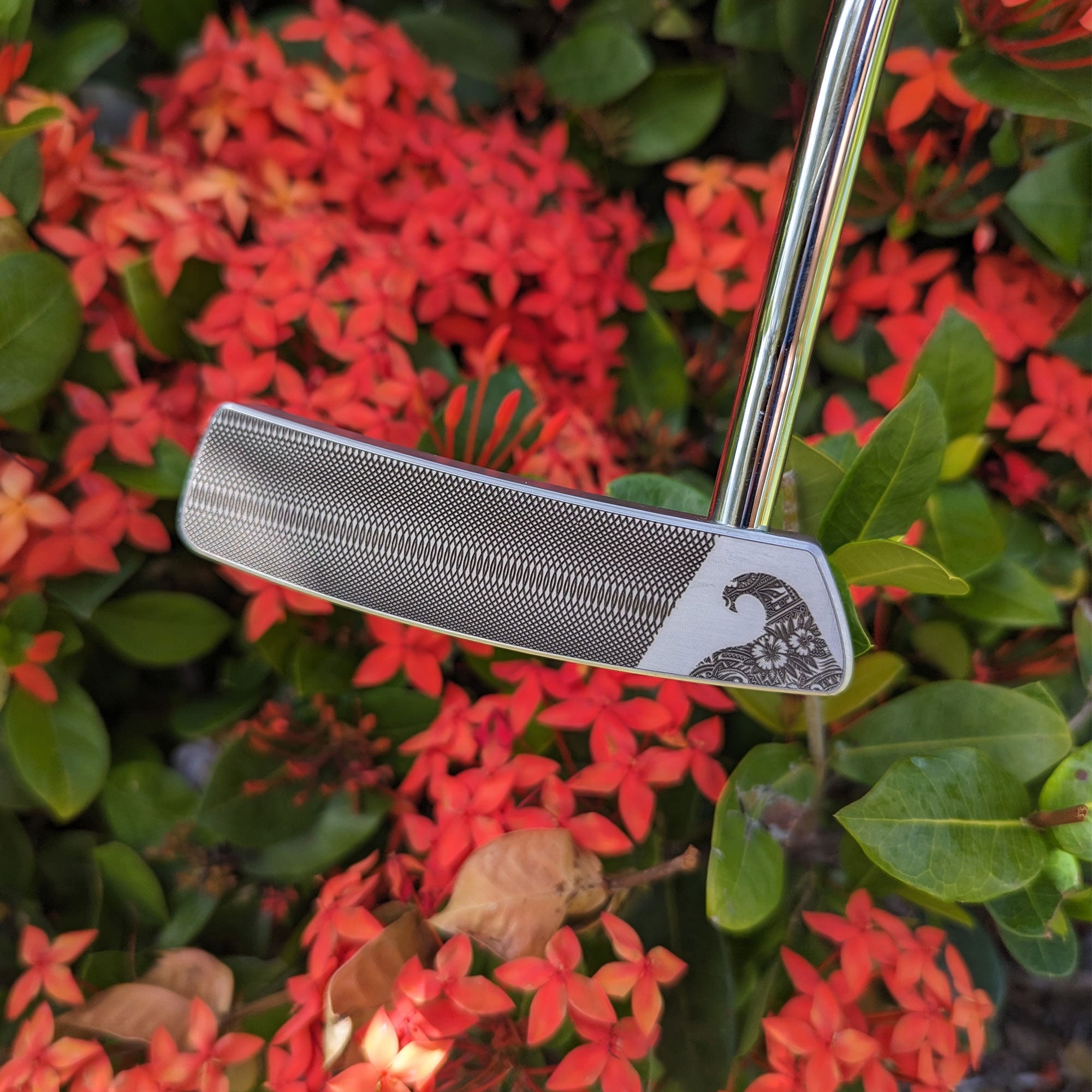
Behind every consistent putting stroke is a masterpiece of material science. At Phoenix Putter Co, we believe that the material of your putter isn't just an aesthetic choice—it's a performance decision that dictates feel, forgiveness, and feedback.
In this guide, we decode the seven most essential materials used in modern putter design to help you choose the right metal for your game.
1. 303 Stainless Steel
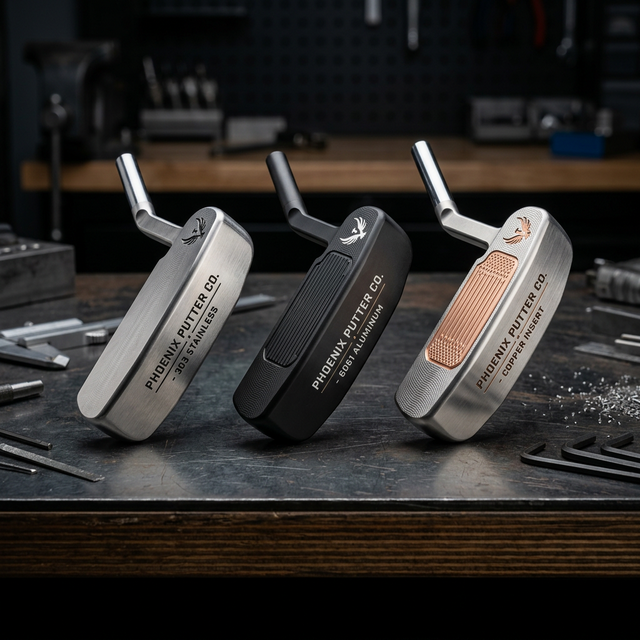
Often considered the gold standard for premium putters. 303 Stainless Steel offers a "crisp" but soft feel. It is highly durable and holds the sharp edges of CNC milling beautifully. Most of our Blade Putters leverage this material for its timeless feedback.
2. 6061 Aircraft-Grade Aluminum
Aluminum is significantly lighter than steel, which allows designers to move weight to the perimeter of the putter head. This is the secret behind high-MOI (Moment of Inertia) mallets. Aluminum offers a "muted" or softer sound on impact compared to steel.
3. Carbon Steel
Before stainless became dominant, carbon steel was the preferred choice for master craftsmen. It is softer than stainless steel but requires a finish (like black oxide or nickel) to prevent rust. It provides a very "buttery" feel that many purists still crave.
4. Copper & Tellurium
Copper is one of the softest metals used in putter faces. Often found in inserts, it provides an incredibly soft feel and develops a unique patina over time. It is heavier than steel, which can help with head weight balance.
5. Tungsten
You’ll rarely see a putter made entirely of tungsten because it is incredibly dense and heavy. However, it is the perfect material for "weight screws" or internal weighting. By placing tungsten in the heel and toe, manufacturers can drastically increase forgiveness.
6. GSS (German Stainless Steel)
A specific blend of stainless steel made famous by ultra-high-end boutiques. While its chemical composition is similar to 303, the way it is forged and treated often results in a unique sound and resonance that collectors and pros swear by.
7. Multi-Material Composites
The modern trend is mixing materials. For example, a Mallet Putter might use an aluminum body for size, a stainless steel face for feel, and tungsten weights for stability. This "best of all worlds" approach is how we push the boundaries of performance today.
Which Material is Right for You?
- For the Purist: 303 Stainless Steel offers the most direct feedback.
- For Maximum Forgiveness: Look for Aluminum mallets with Tungsten weighting.
- For the Ultimate Soft Feel: Seek out Copper or Carbon Steel options.
Ready to feel the difference craftsmanship makes? Explore the Phoenix Putter collection and find your perfect match.

Leave a comment
This site is protected by hCaptcha and the hCaptcha Privacy Policy and Terms of Service apply.