

Understanding Putter Head Shapes
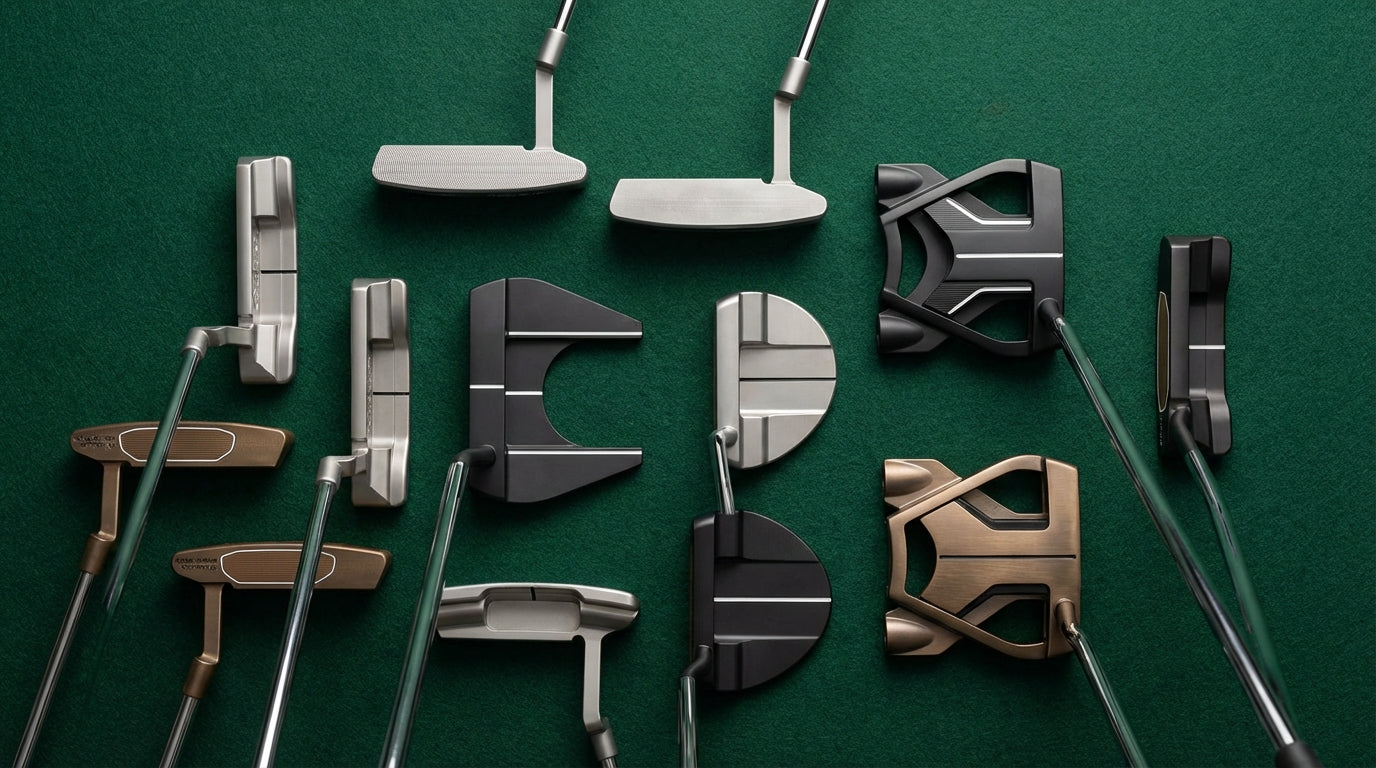
Custom putter head shapes come in many different varieties, from traditional blade-style designs to modern mallet-style options and hybrid shapes. Each head shape offers distinct advantages and disadvantages, so understanding what each provides is essential before making your selection. The head shape you choose will influence how the putter feels, performs on off-center hits, and provides alignment assistance during your setup.
Blade-Style Head Designs
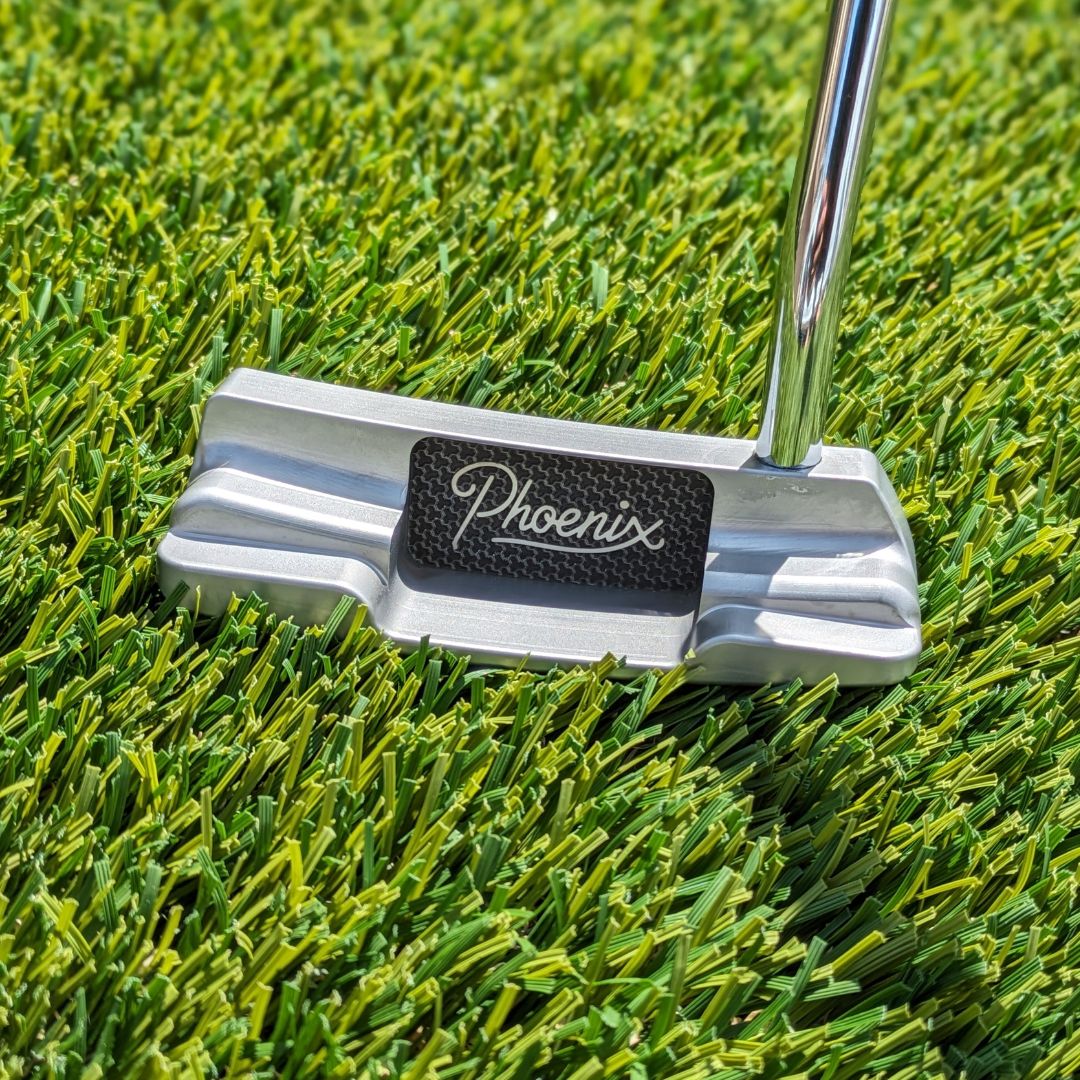
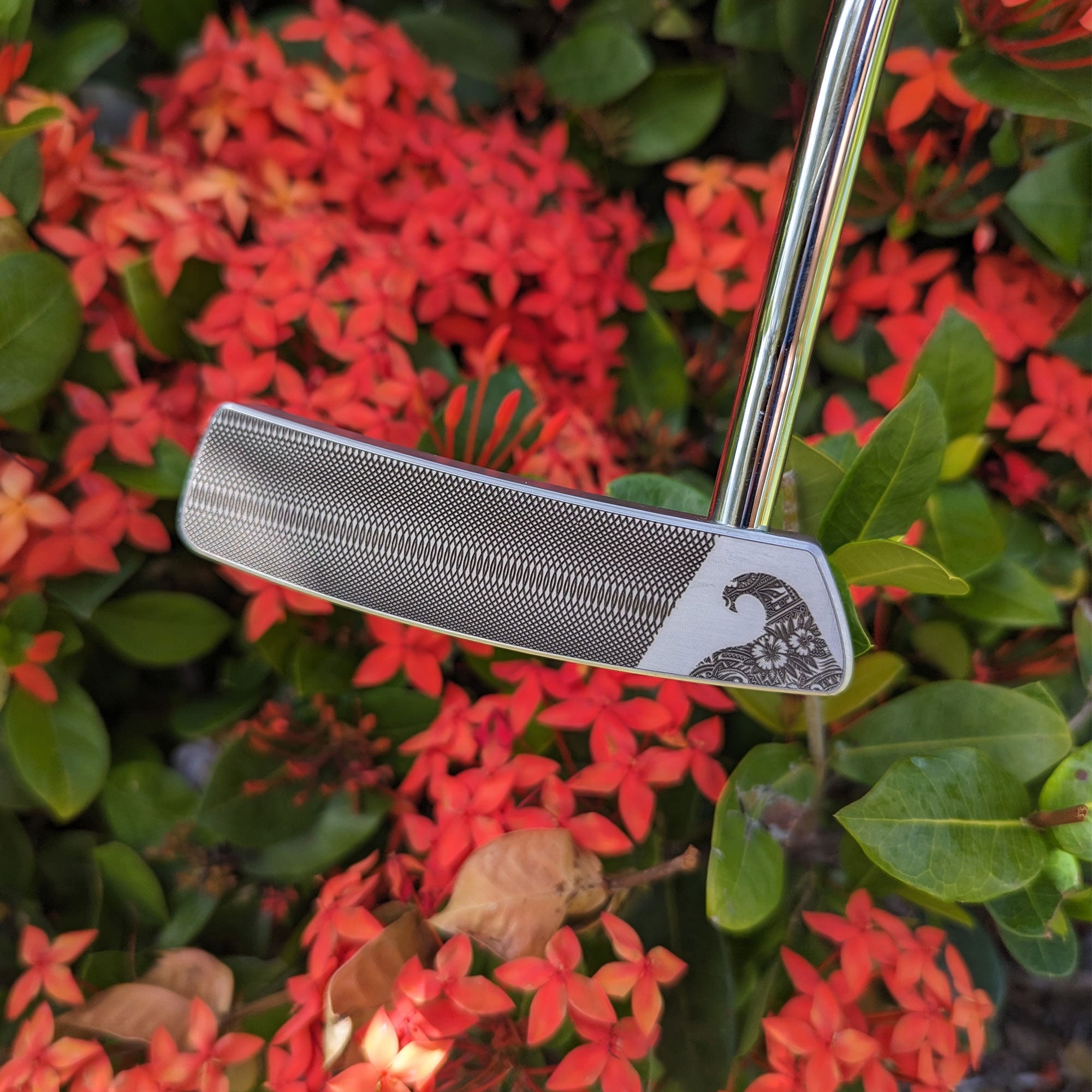
Blade-style heads are typically more forgiving than many golfers assume, featuring a larger sweet spot that allows for more consistent ball contact across impact locations. Blade putters provide excellent feedback and a direct connection to your stroke, making them ideal for golfers who value precision and feel. The traditional design appeals to golfers seeking simplicity, control, and the ability to feel their stroke mechanics through the club. Blade designs often excel at distance control and provide superior feedback for green reading feedback.
Mallet-Style Head Designs
Mallet-style putters offer more stability on off-center hits through their larger design and higher moment of inertia. These putters tend to be less penalizing overall in terms of accuracy, but they excel at reducing the penalty for slight misses and providing confidence. Custom putter designs continue evolving with mallet options leading many innovations in forgiveness and alignment technology. Modern mallet designs provide excellent stability while maintaining good feel and touch.
Selecting Your Head Shape for Optimal Performance
As a golfer, it's crucial to factor in your unique needs when selecting a custom putter head shape that works with your game. Everyone has different preferences in terms of feel and performance characteristics, so it's essential to ensure your chosen head shape provides the best putting results for your stroke. With proper selection, it will give your game a significant boost by offering more confidence in those challenging putts. Test multiple head shapes during practice to identify which design best matches your stroke style and preferences.
When choosing a custom-shaped putter head, the material selection also deserves careful consideration. Putters typically feature aluminum or stainless steel construction, and each material offers distinct pros and cons. Steel putters are typically heavier, more durable, and provide superior feedback, while aluminum putters tend to be lighter and offer different feel characteristics. Finding the optimal combination of weight, material, and head shape should be taken into account during the selection process.
Understanding Toe Hang and Stroke Mechanics
What Is Toe Hang?
Toe hang is the angle of the putter head relative to the shaft, and it significantly affects how the clubface interacts with the ball at impact. This specification directly corresponds to your putting stroke and should match your natural motion for optimal performance and consistency. Toe hang is measured in degrees and affects whether the clubface naturally opens or closes during your stroke. Understanding your natural toe hang requirement is critical for selecting a putter that promotes an on-plane stroke.
Face-Balanced vs. Toe-Hang Putters
A toe-hang putter will have its face open relative to the target line when in a neutral position, naturally opening and closing through the stroke. A face-balanced putter will have its face square to the target line in a neutral position, maintaining square throughout. Custom putter toe hang options are an excellent way to customize your putter and improve your putting stroke mechanics. Different toe-hang options help golfers find the perfect fit for their putting motion, allowing them to make more consistent contact with the ball and improve their accuracy significantly. Most modern putters offer adjustable toe hang options to accommodate different stroke styles.
Matching Toe Hang to Your Stroke
Golfers with arcing strokes naturally benefit from more toe hang, as it allows the clubface to open and close in sync with their pendulum motion. Golfers with straight-back-and-through strokes prefer face-balanced designs that maintain a square clubface throughout their entire motion. Professional fitting determines your ideal toe hang specification based on your specific stroke characteristics and natural motion patterns. Video analysis and launch monitor data can help identify your optimal toe hang precisely.
Custom Putter Weight Options and Specifications
The Role of Weight in Performance
Personalized putter weights are an excellent way to customize your club and improve your golf skills significantly. Putters come in different shapes, sizes, and weights, so it's critical to select the correct combination for your individual needs. With custom putter weight options, you can choose the exact mass that fits your swing type and playing style. Weight affects your stroke rhythm, momentum through impact, and overall feel—all critical to consistent performance.
Adjusting Your Putter Weight Post-Purchase
Golfers have the choice of customizing the weight of their putter by either adding or removing weights from its head. This can be accomplished with adjustable weights or removable weight systems, allowing you to fine-tune the feel and performance of your club. Furthermore, some putters come with exchangeable shafts that can be replaced for varying lengths and weights. With personalized putter weight options, golfers can locate the perfect balance between mass and feel to produce more regular contact with the ball and boost their precision.
Weight Distribution and Performance Effects
Heavier putter heads provide more stability and resist twisting on off-center hits, making them ideal for golfers seeking forgiveness and consistency. Lighter putters offer better touch control and feel, appealing to golfers who prioritize feedback and finesse on delicate putts. Mid-weight options provide balance between forgiveness and touch. Different putter materials support different weight ranges, making material selection part of your weight optimization strategy. Heavier putters typically range from 360-450 grams, while lighter options are 300-340 grams.
Integrating Head Shape, Weight, and Toe Hang
The most successful custom putters integrate all three specifications—head shape, weight, and toe hang—into a cohesive design engineered for your specific stroke. Professional fitting analyzes your putting motion and recommends complementary specifications that work together seamlessly. For example, a golfer with a strong arc stroke might benefit from a mallet head with pronounced toe hang and mid-range weight, while a straight-stroke golfer might prefer a blade with face balance and lighter weight. These combinations work synergistically to enhance your natural putting motion.
Getting Your Specifications Right
Professional putter fitting ensures you receive optimal specifications tailored to your individual game. When you invest in custom milled putters, every detail matters significantly for performance. Take advantage of expert guidance to select head shape, weight, and toe hang that work in harmony for your specific stroke mechanics. The result is a putter engineered specifically for you, delivering confidence and consistency on every green you face.
Frequently Asked Questions
How do I know if I need toe hang or face-balanced?
Your putting stroke determines your ideal toe hang requirement. If your stroke follows a natural arc with the putter opening and closing, toe hang matches your mechanics perfectly. If your stroke stays on a straight line through the ball, face-balanced design supports your motion better. Professional fitting accurately identifies which style suits your stroke through video analysis and launch data.
Can I change the weight of my putter after purchase?
Many modern putters offer adjustable weight systems that allow post-purchase modifications. However, adding or removing significant weight can alter swing characteristics and balance. It's best to work with a professional when making weight adjustments to ensure the modifications complement your stroke and maintain overall balance.
What head shape is best for beginners?
Beginners typically benefit most from larger mallet-style putters with face-balanced toe hang. These designs provide maximum forgiveness and confidence while you're developing your stroke mechanics. As your technique improves, you can transition to more refined designs that offer better feedback and control.
Does the cost of the putter material affect performance?
Premium materials like 303 stainless steel offer superior feel, durability, and consistency compared to lower-grade materials. However, the most important factor is achieving proper fit and specifications. A moderately priced putter that fits perfectly will outperform an expensive option with mismatched specifications.

Leave a comment
This site is protected by hCaptcha and the hCaptcha Privacy Policy and Terms of Service apply.