

Introduction to Putter Shaft Materials
Golf is a sport where precision, comfort, and the right equipment converge to create exceptional performance. One often-overlooked aspect of putter selection that profoundly affects your game is the shaft material. Whether your putter uses a steel or graphite shaft isn't merely a cosmetic choice—it fundamentally influences your feel, control, distance management, and long-term durability.
For decades, steel shafts dominated the putting world because of their durability and traditional feel. However, advances in graphite technology have created a compelling alternative that's transforming how serious golfers approach putter selection. This comprehensive guide explores the critical differences between these materials and helps you understand which is right for your game.
Understanding Putter Shaft Materials: Steel vs. Graphite
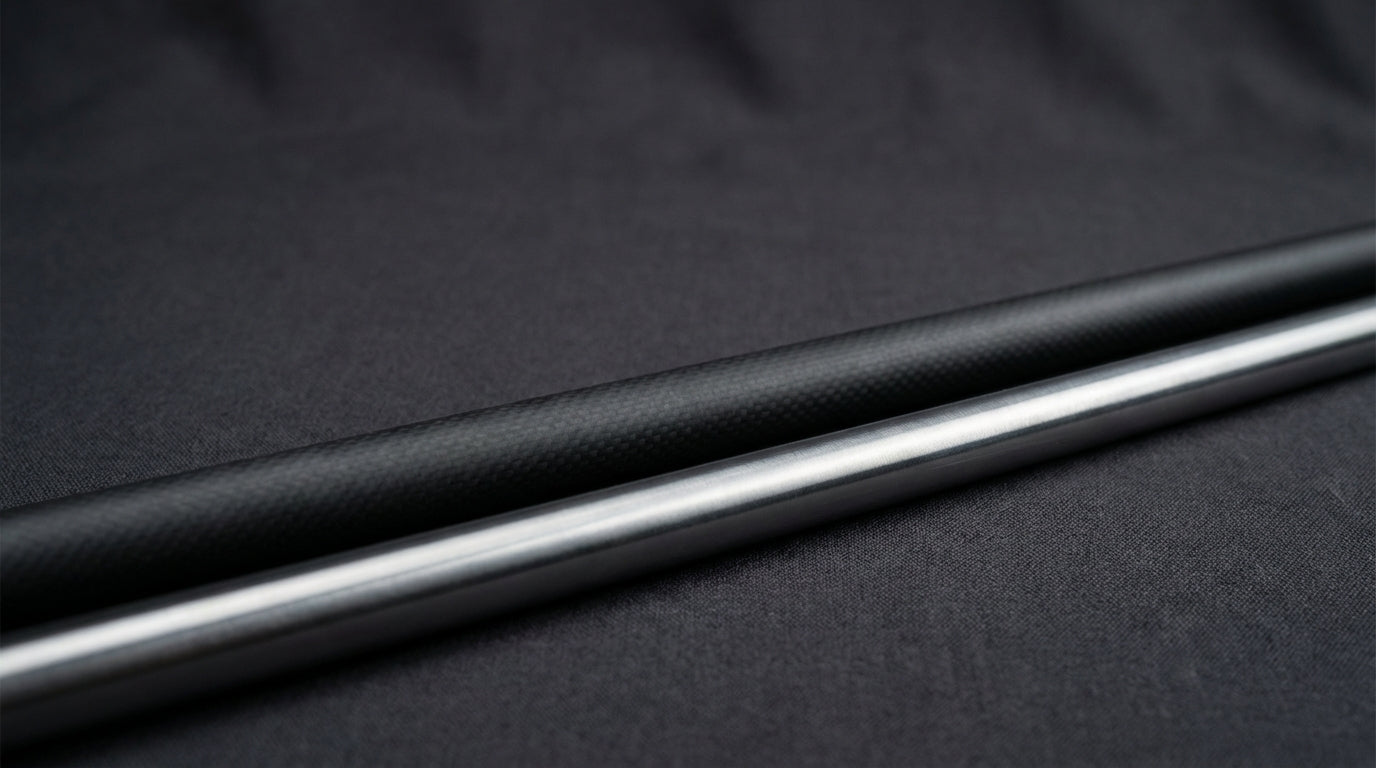
Golf shafts have evolved significantly from their hickory origins. Today, two materials dominate: steel and graphite. Each brings distinct characteristics that affect your putting experience in measurable ways.
Steel Shafts: Traditional Stability and Consistency
Steel shafts are known for durability, consistency, and lower cost. They provide a robust, solid feel and are typically heavier than graphite alternatives. Steel's density creates a naturally high moment of inertia, which some golfers interpret as stability and control. Steel shafts also provide predictable feedback—the same shaft feels identical round after round, which aids in developing consistent muscle memory.
However, steel's weight concentrates that density at the top of the putter, creating characteristics that don't suit every golfer or every putting style.
Graphite Shafts: Innovation in Feel and Performance
Graphite shafts are significantly lighter than steel while maintaining structural integrity. This lightweight nature allows for better weight distribution throughout the putter. Graphite also possesses superior vibration-damping properties compared to steel, absorbing the shock and vibration that occurs at impact. This results in a softer, more refined feel in your hands.
Modern graphite shafts are engineered to provide specific flex characteristics and performance profiles. The result is a shaft that adapts to your stroke rather than fighting against it.
Why Choose Graphite Shafts for Putting?
Weight Advantages: More Control, Less Effort
The most significant advantage of graphite shafts in putters is their reduced weight. A lighter shaft allows you to maintain greater control with less muscular effort. In putting, where finesse and sensitivity matter far more than power, this lightweight advantage translates directly to performance.
Lighter shafts reduce the overall weight at the top of your putter, shifting weight distribution toward the putter head where it influences moment of inertia and forgiveness. This redistribution improves the putter's balance and responsiveness to your stroke intention. You can manage distance more easily because the lightweight shaft responds more directly to your tempo and rhythm.
Vibration Damping: Superior Feel and Feedback
Graphite's material composition allows it to absorb vibration more effectively than steel. When the putter face strikes the ball, impact creates vibrations that travel through the shaft to your hands. Steel, being rigid and dense, transmits these vibrations completely, resulting in a harsh, jarring sensation. Graphite dampens these vibrations, providing a smoother, more refined feel.
This superior feel has practical performance benefits. Better vibration damping provides clearer feedback about the quality of your contact. You can immediately sense whether you struck the center of the putter face or missed slightly. This enhanced feedback accelerates your ability to make micro-adjustments in your stroke and builds confidence in your setup and mechanics.
Flexibility and Customization: Personalized Performance
Graphite shafts offer a wider range of flex options compared to traditional steel. Manufacturers can engineer graphite to specific flex profiles—from very stiff to very flexible—to match different putting strokes and preferences. This customization means you can find a graphite shaft that works with your natural motion rather than fighting against it.
This flexibility extends to choosing the right grip to pair with your shaft and understanding how grip fundamentals interact with shaft characteristics. A properly matched system amplifies the benefits of each component.
Temperature Stability: Consistent Performance Year-Round
Steel's rigidity changes with temperature fluctuations. Cold weather stiffens steel shafts, while heat makes them slightly more flexible. These subtle changes affect your feel and consistency. Graphite, by contrast, performs more consistently across temperature ranges, making it ideal for golfers who play in varying climates or travel for tournaments.
This temperature stability means your putter behaves the same way during a winter tournament as it does on a warm summer afternoon. Your muscle memory and feel remain constant regardless of conditions.
Comparing Steel and Graphite: Detailed Analysis
Steel Shafts: Strengths and Limitations
Strengths: Steel provides a traditional feel that appeals to golfers raised on classic equipment. The material is proven and extremely durable. Steel shafts are less expensive than graphite alternatives, making them accessible for budget-conscious golfers. They provide consistent feedback and predictable performance.
Limitations: Steel's weight concentrates at the top of the putter, creating a feel some golfers find jarring or difficult to control. The vibration transmission can feel harsh, particularly on off-center hits. Steel's temperature sensitivity affects consistency in varying climates. For golfers with slower swing speeds, arthritis, or joint concerns, steel's weight and vibration characteristics can be uncomfortable.
Graphite Shafts: Strengths and Limitations
Strengths: Graphite provides a lighter, more responsive feel that appeals to precision-minded golfers. Superior vibration damping creates a refined sensation at impact. Weight distribution is superior, improving overall putter balance. Flexibility options allow customization to match your stroke. Temperature stability ensures consistent performance in all conditions. The modern material signals innovation and technological advancement.
Limitations: Graphite shafts cost more than steel alternatives. The material is newer to some golfers, so familiarity is lower. Some traditionalists prefer steel's classic feel. Graphite, while extremely durable, requires slightly more careful handling than steel.
Who Should Use Graphite Putting Shafts?
Beginner Golfers and Those Developing Their Swing
The forgiving nature of graphite and its superior feedback make it ideal for golfers still developing their putting stroke. The lighter weight reduces fatigue during practice sessions, allowing for more focused repetitions. The vibration damping provides clear feedback about contact quality, helping beginners understand the relationship between their stroke and results.
Players with Slower Swing Speeds or Tempo
Golfers with naturally slower putting tempos benefit significantly from graphite's lightweight responsiveness. The lighter shaft responds directly to your tempo without requiring additional effort to accelerate a heavy mass. This makes distance control easier and more consistent. Understanding how putter weight affects performance becomes especially critical for these golfers.
Golfers with Joint Concerns or Arthritis
The vibration damping properties of graphite provide substantial relief for players with joint concerns. The reduced vibration transmission means less shock traveling through your wrists, hands, and arms. The lightweight shaft requires less muscular effort to control, reducing overall joint stress. Golfers with arthritis, tendonitis, or other joint issues often report playing longer and more comfortably with graphite shafts.
Golfers Playing Multiple Courses or Climates
The temperature stability of graphite makes it ideal for golfers who travel or play courses with varying conditions. Your putter feels and performs consistently regardless of climate, eliminating variables caused by steel's temperature sensitivity.
How to Choose the Right Shaft for Your Putter
Assess Your Putting Style and Stroke
Consider your natural putting tempo, swing speed, and what you're trying to improve in your game. If you value feel and feedback, graphite's vibration damping will appeal to you. If you're seeking consistency and traditional performance, steel remains a solid choice. Professional putter fitting provides invaluable insights into which shaft material and specifications align with your stroke.
Test Both Materials Before Committing
The best way to understand the difference is hands-on experience. Borrow a graphite-shafted putter from a friend or try one at a golf facility. Hit putts with both materials and notice the difference in feel, feedback, and distance control. Pay attention to which material feels more natural and responsive to your stroke intention.
Consult with Experienced Club Makers
Professional club makers and fitters can provide expert guidance based on your specific needs. They understand how shaft characteristics interact with head design, grip selection, and length specifications. Custom milled putters can be built with either material, allowing you to specify exactly what you want.
The Bottom Line: Why Graphite is Becoming the Standard
Professional golfers and serious amateurs increasingly choose graphite because the material delivers measurable performance advantages. Graphite shafts provide better feel, superior vibration damping, weight advantages, temperature stability, and customization options. While steel remains a valid choice, graphite represents the evolution of putter shaft technology.
The investment in a graphite-shafted putter typically pays dividends through improved feel, consistency, and confidence on the greens. Whether you're upgrading from steel or building your first custom putter, graphite deserves serious consideration.
Frequently Asked Questions
How much more expensive is a graphite shaft putter compared to steel?
Graphite shafts typically add $30-$100 to the cost of a putter compared to steel alternatives. Given that quality putters cost $200-$400+, the graphite premium represents a relatively modest upgrade for the performance and feel benefits provided. Many golfers consider it an excellent value.
Will switching to graphite immediately improve my putting percentage?
You'll immediately notice the improved feel and feedback of graphite. However, measurable improvement in putting percentage develops over weeks as you adjust to the different feel and responsiveness. Allow yourself 5-10 rounds to fully adapt before evaluating the impact on your scores.
Is graphite less durable than steel?
Modern graphite shafts are extremely durable and comparable to steel in longevity when properly cared for. With normal use and appropriate maintenance, a graphite shaft putter will last decades. Graphite requires slightly more careful handling than steel, but careful golfers experience no durability issues.
Can I retrofit a graphite shaft into my existing steel-shafted putter?
Technically, yes—a club maker can remove your steel shaft and install a graphite one. However, this can affect the putter's balance, weight distribution, and overall feel. In most cases, purchasing a new putter designed with graphite from the ground up produces superior results because the entire putter is engineered as a cohesive system.



Leave a comment
This site is protected by hCaptcha and the hCaptcha Privacy Policy and Terms of Service apply.