


The putter is arguably the most important club in a golfer's bag. With numerous models and styles available, selecting a putter that matches your unique playing style is crucial for success on the greens. This comprehensive guide explores the five most common putter types, helping you understand each design's characteristics and benefits.
Blade Putters: The Classic Choice
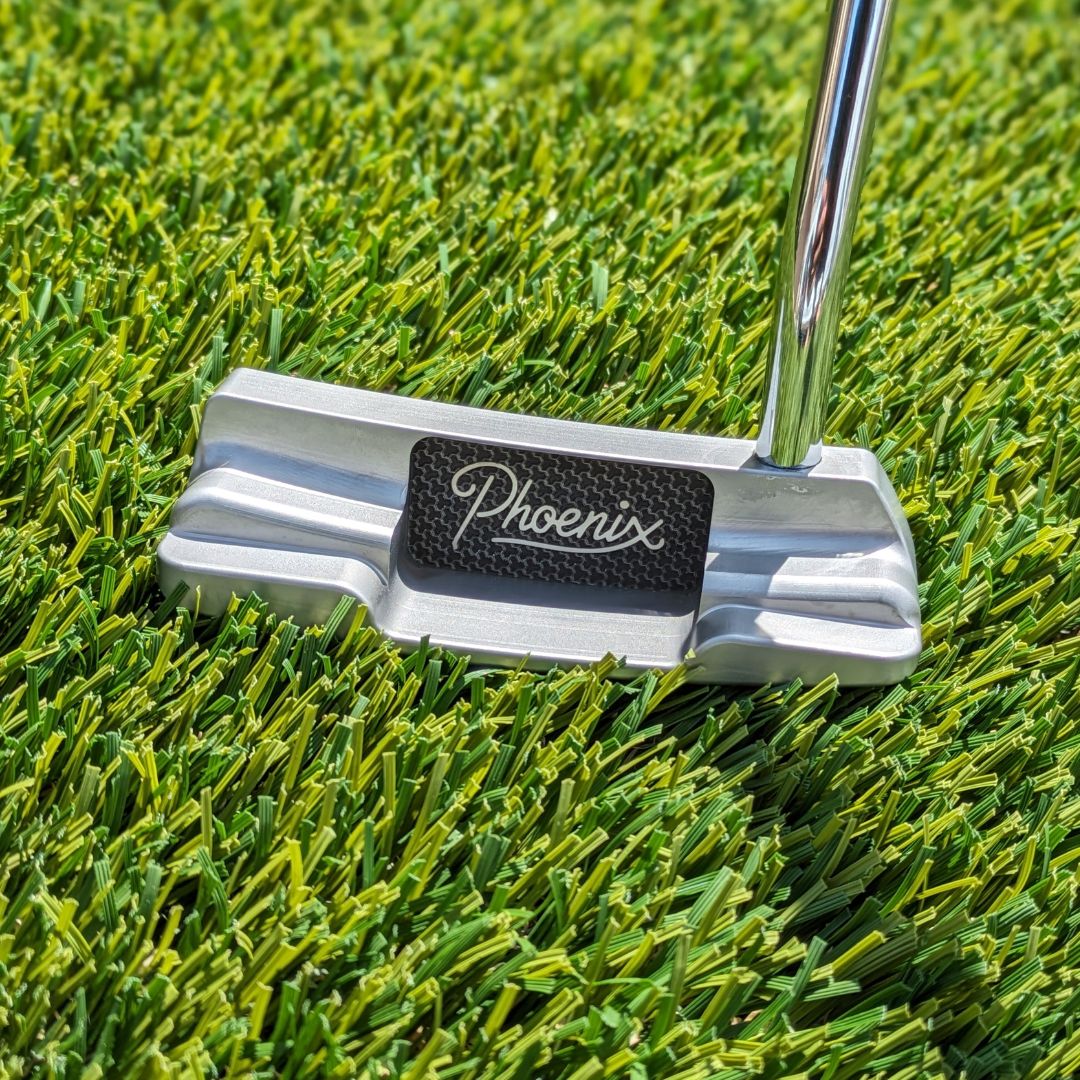
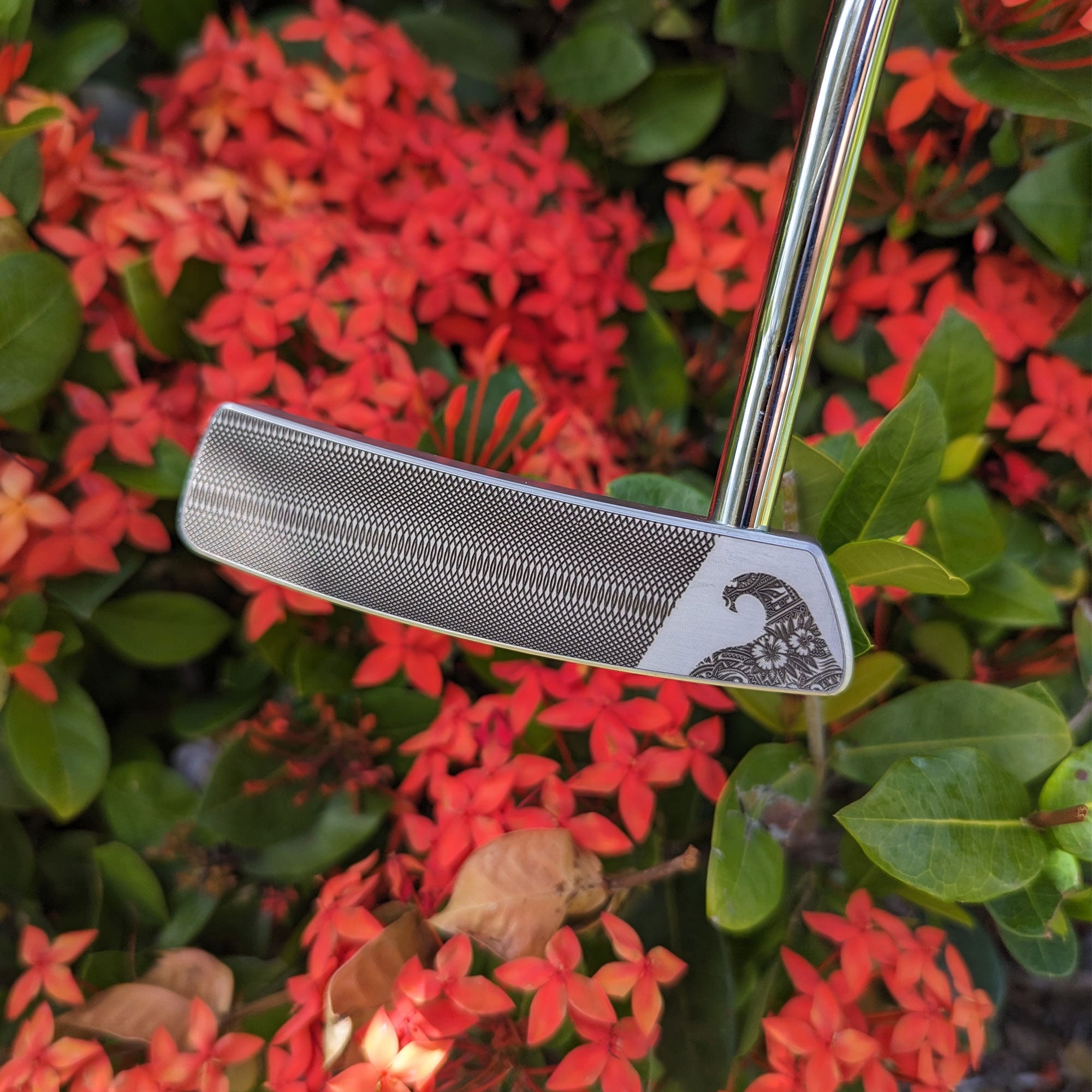
Blade putters represent golf's putting tradition. They feature a simple, slim design with a flat clubface, offering golfers a straightforward option for achieving precision on the green. The minimalist design concentrates weight near the center, providing superior feedback on every stroke.
Key characteristics of blade putters:
- Slim, flat design with minimal weight distribution
- Straightforward, minimalist aesthetic
- Ideal for players with arc-style strokes (inside-to-line-to-inside)
- Superior feel and feedback on contact
- Best suited for golfers with developed fundamentals
Blade putters excel for golfers who prefer traditional design and have consistent stroke mechanics. The slim profile cuts through grass cleanly, allowing more precise control. For players with arc-style strokes, blades reward natural motion. Professional golfers and skilled amateurs often prefer blades because the direct feedback teaches proper technique. Learn more about blade vs. mallet putters to determine which style suits your game.
Mallet Putters: Modern Forgiveness
Mallet putters have become increasingly popular due to their innovative design and enhanced forgiveness. They feature larger, rounded clubheads with weight distributed to the perimeter, providing exceptional stability during the stroke and reducing the penalty for off-center hits.
Main features of mallet putters:
- Larger, rounded clubhead with modern design elements
- Perimeter weight distribution for increased stability
- Built-in alignment aids (sight lines, notches, geometric shapes)
- Higher moment of inertia (MOI) for greater forgiveness
- Ideal for golfers with straight-back, straight-through strokes
Mallet putters suit golfers seeking additional stability and confidence over the ball. The larger clubhead distributes weight around the perimeter, creating higher MOI that resists twisting on off-center strikes. This forgiveness makes maintaining consistent stroke and improving accuracy significantly easier, especially under tournament pressure. Understanding head shapes and toe hang helps optimize your mallet selection.
Perimeter-Weighted Putters: Maximum Forgiveness
Perimeter-weighted putters are engineered specifically for enhanced forgiveness and higher moment of inertia. These putters deliberately shift weight distribution away from the center toward the clubhead edges, creating a design philosophy focused on consistency even on off-center contact.
Key characteristics of perimeter-weighted putters:
- Weight strategically distributed around clubhead edges
- Enhanced forgiveness and superior MOI
- Reduced impact of off-center strikes on distance and direction
- Suits golfers seeking maximum control and consistency
- Popular with players developing their fundamentals
Golfers who struggle with maintaining consistent strokes benefit significantly from perimeter-weighted putters. The increased MOI reduces the negative effects of off-center hits, resulting in more consistent distance and direction on every putt. This style is particularly valuable for developing golfers who are still refining their technique. Many golfers transitioning from longer irons to putting find perimeter-weighted designs build confidence quickly. Understanding how putter weight influences performance helps you make informed decisions.
Center-Shafted Putters: Unique Balance
Center-shafted putters feature a shaft that connects directly to the center of the clubhead, creating a unique feel and balance point. This design appeals to golfers seeking face-balanced putters or those with straight-back, straight-through stroke mechanics.
Main characteristics of center-shafted putters:
- Shaft connects to clubhead center rather than heel
- Creates face-balanced design for straight-stroke mechanics
- Unique feel and balance during the stroke
- Promotes consistent and accurate putting motion
- Ideal for players with square face preference
Center-shafted putters provide an excellent choice for golfers who prefer face-balanced putters and have straight-back, straight-through strokes. The centered shaft creates a distinctive feel and balance, promoting more consistent and accurate putting strokes. This design becomes particularly valuable for golfers developing consistent stroke mechanics. Proper grip fundamentals further enhance center-shafted putter performance.
Long and Belly Putters: Alternative Techniques
Long and belly putters represent unconventional options that offer alternative putting techniques for golfers seeking a different approach. These putters feature extended shafts, which are anchored against the golfer's body during the stroke, creating a pendulum motion rather than traditional arm swing.
Primary attributes of long and belly putters:
- Extended shaft (39-50+ inches) for body anchoring
- Alternative putting technique using pendulum motion
- Added stability through body anchoring
- Suited for golfers seeking fresh approaches to putting
- Effective for players struggling with conventional putters
Long putters typically anchor against the golfer's chest, while belly putters anchor against the midsection. Both provide added stability through body contact, allowing more controlled, pendulum-style strokes. Golfers who have struggled with conventional putters sometimes find success with these models. However, these styles require significant adjustment and commitment to develop consistent technique. Some golfers report dramatic improvements after switching, while others find the transition too significant.
Selecting Your Ideal Putter Style
Choosing the right putter depends on multiple factors including your stroke characteristics, skill level, and personal preferences. Professional putter fitting helps identify the style best suited to your game. Consider your stroke type (arc versus straight), your typical green reading accuracy, and what aspects of putting inspire your confidence.
Many accomplished golfers own multiple putters and rotate based on course conditions, pressure situations, or confidence levels. The key is selecting a putter style you can trust consistently and practicing enough to develop confidence with your choice. Whether you prefer the simplicity of a blade putter, the forgiveness of a mallet putter, or the unique feel of a center-shafted option, selecting quality equipment ensures you're giving yourself the best opportunity for success.
For golfers seeking the ultimate in precision and customization, custom milled putters are available in every style mentioned here. Custom milling ensures superior face consistency, precise weight distribution, and manufacturing excellence regardless of your preferred design.
Frequently Asked Questions
What putter style do most professional golfers use?
Blade and perimeter-weighted putters remain most common on professional tours, with golfers selecting based on individual stroke characteristics and preferences. However, successful tour professionals use every style mentioned, demonstrating that no single design is objectively superior—fit and feel determine success.
Can I switch putter styles if I'm unhappy with my current putter?
Yes, switching is common and often beneficial. However, expect an adjustment period of 5-10 rounds as your mechanics adapt to a new putter's feel and performance characteristics. Commit to the new putter long enough to develop consistency rather than switching frequently based on short-term results.
Are expensive putters always better than budget options?
Price doesn't guarantee performance. The best putter is one that matches your stroke characteristics and builds confidence. A moderately priced putter that inspires trust will consistently outperform an expensive option that doesn't feel right in your hands. Fit and feel matter significantly more than cost.
Which putter style is best for beginners?
Perimeter-weighted and mallet putters typically suit beginners best due to their forgiving nature and alignment aids. These styles reduce the penalty for off-center strikes, helping developing golfers focus on fundamentals rather than worrying about mis-hits. As your technique improves, you may transition to blade putters if you prefer feedback-oriented designs.


Leave a comment
This site is protected by hCaptcha and the hCaptcha Privacy Policy and Terms of Service apply.