


Most agents either ignore the IRS gift rule or assume it doesn't apply. Both are wrong. The $25-per-recipient business gift deduction has been on the books, unchanged, since 1962. Whether realtor client gifts are tax-deductible is one of the most-asked questions in real-estate marketing — and one of the most-misunderstood.
This article covers what the rule actually says, three carve-outs most agents don't know, what records the IRS expects, and the strategic question that matters more than the deduction itself.
Note: This is general information, not tax advice. Consult a CPA before making decisions based on this article.
The IRS $25 Limit: The Most Misunderstood Rule in Real Estate Gifting
The IRS allows you to deduct no more than $25 of the cost of business gifts you give directly or indirectly to each person during your tax year. This rule lives in IRS Publication 463 (Travel, Gift, and Car Expenses) and has been unchanged since 1962. It applies to all business gifts, including closing gifts to real-estate clients.
Three things to internalize before doing anything else:
- The $25 is per recipient, not per gift.
- It doesn't matter how much the gift cost — only $25 is deductible.
- The rule has been in place for over 60 years and isn't going to change anytime soon.
What the $25 Limit Actually Says (Plain English)
Per IRS Publication 463: "You can deduct no more than $25 for business gifts you give directly or indirectly to each person during your tax year."
Plain-language implications:
Married couples count as one recipient. If you give a $50 gift to a married couple at closing, you can deduct $25 — not $50, even though there are two people receiving the gift. The IRS treats spouses as a single recipient unless they have separate, independent business relationships with you.
The cost ceiling is hard. A $300 putter and a $25 wine bottle are both deductible at the same $25 amount. The remainder of the $300 is an out-of-pocket marketing expense.
Incidental costs may not count. Engraving, packaging, shipping — if these don't add substantial value, they don't count toward the $25 limit. So a $25 gift with $10 of custom engraving and $5 of gift packaging is still deductible at $25, even though your total spend was $40.
Three Carve-Outs Most Agents Don't Know
These are the exceptions that catch agents by surprise — usually positively.
1. Promotional Items Under $4
Items that cost less than $4, have your name imprinted permanently, and are distributed widely (think branded pens, koozies, golf tees) are not subject to the $25 limit. They're treated as advertising/promotional expenses, fully deductible.
For agents who run open-house giveaways or send branded swag in bulk, this is a real exemption. The catch: the imprint must be permanent (engraved or printed in), not a sticker.
2. Gifts to Companies (Not Specific People)
A gift sent to a company at the company's address — not to a specific person — can sometimes be treated as a fully-deductible advertising expense rather than a $25-capped gift. This applies more often to corporate gifting than to individual closing gifts, but it's worth knowing.
3. Gifts That Function as Marketing
If the gift displays your branding prominently and is intended to drive future business (think a custom putter cover with your brokerage logo), some CPAs argue it's better classified as a marketing/advertising expense than a gift, lifting it out of the $25 limit. This is gray area — get specific advice from your CPA before relying on it.
Documentation: What Records the IRS Wants
Per Publication 463, the IRS expects you to keep records of:
- Name of each recipient
- Date of the gift
- Cost of the gift
- Business purpose (closing gift, client appreciation, etc.)
- Business relationship (buyer-side closing, listing client, etc.)
A simple spreadsheet works. Most modern real-estate CRMs (kvCORE, Follow Up Boss, Chime) have gift-tracking fields built in.
One specific warning: cash equivalents are treated differently. A gift card over $25 may be treated as a non-deductible cash gift rather than a $25-capped business gift, depending on the circumstances. Stick with physical gifts when possible.
The Strategic Question: Does Deductibility Even Matter?
Here's the reframe most agents need. The $25 deduction saves you, in a 24% tax bracket, about $6 per gift. The right closing gift drives a referral. A single referral on a $400K home at 1.5% commission generates $6,000 in revenue.
| Gift Spend | Deduction | Tax Saving (24%) | Out-of-Pocket | Referral Impact |
|---|---|---|---|---|
| $25 | $25 | $6 | $19 | Low |
| $100 | $25 | $6 | $94 | Medium |
| $300 | $25 | $6 | $294 | High |
| $500 | $25 | $6 | $494 | Very High |
The optimization isn't "spend $25 to maximize the deduction." The optimization is "spend whatever drives the referral, then take the $25 deduction." The deduction is a small floor, not a ceiling.
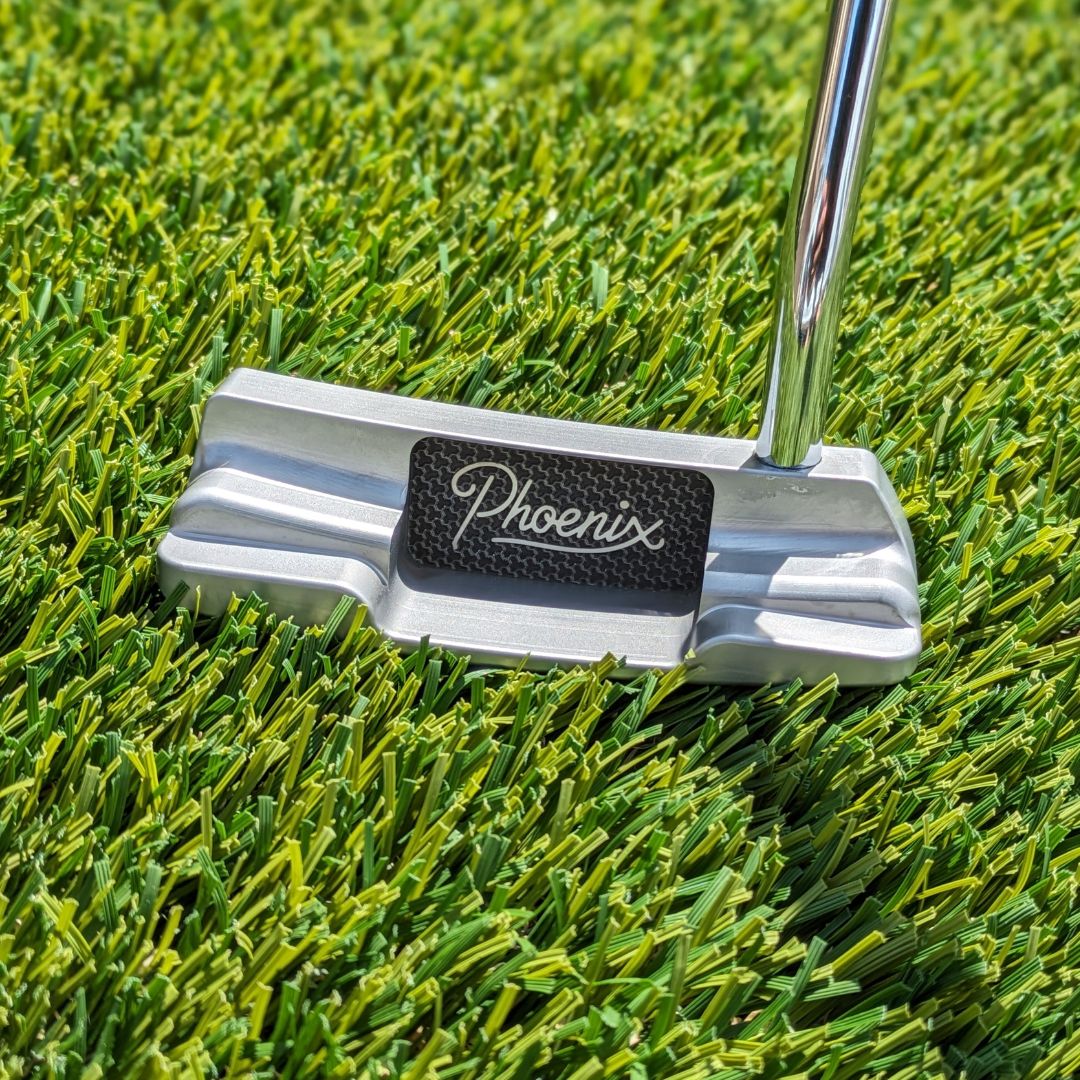
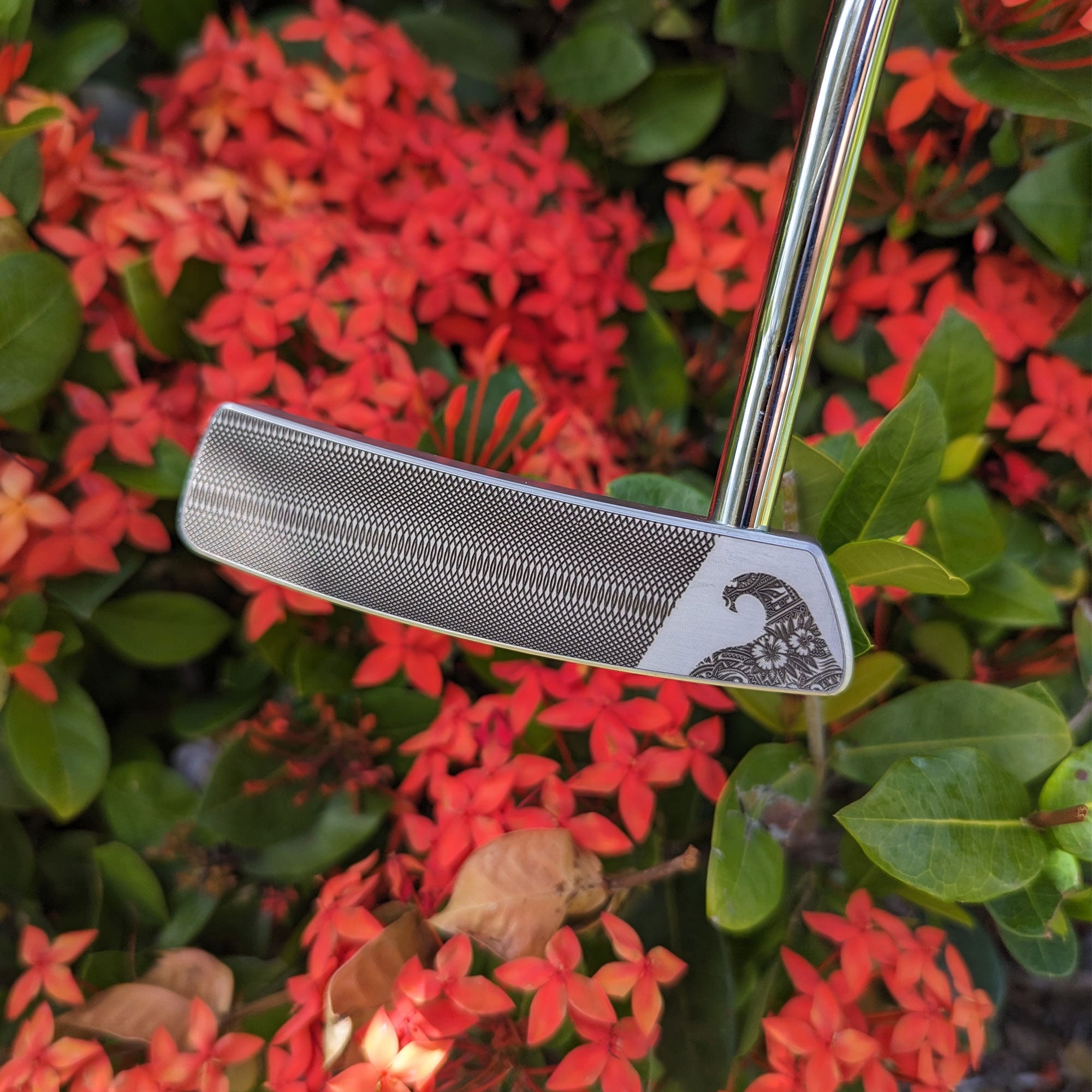
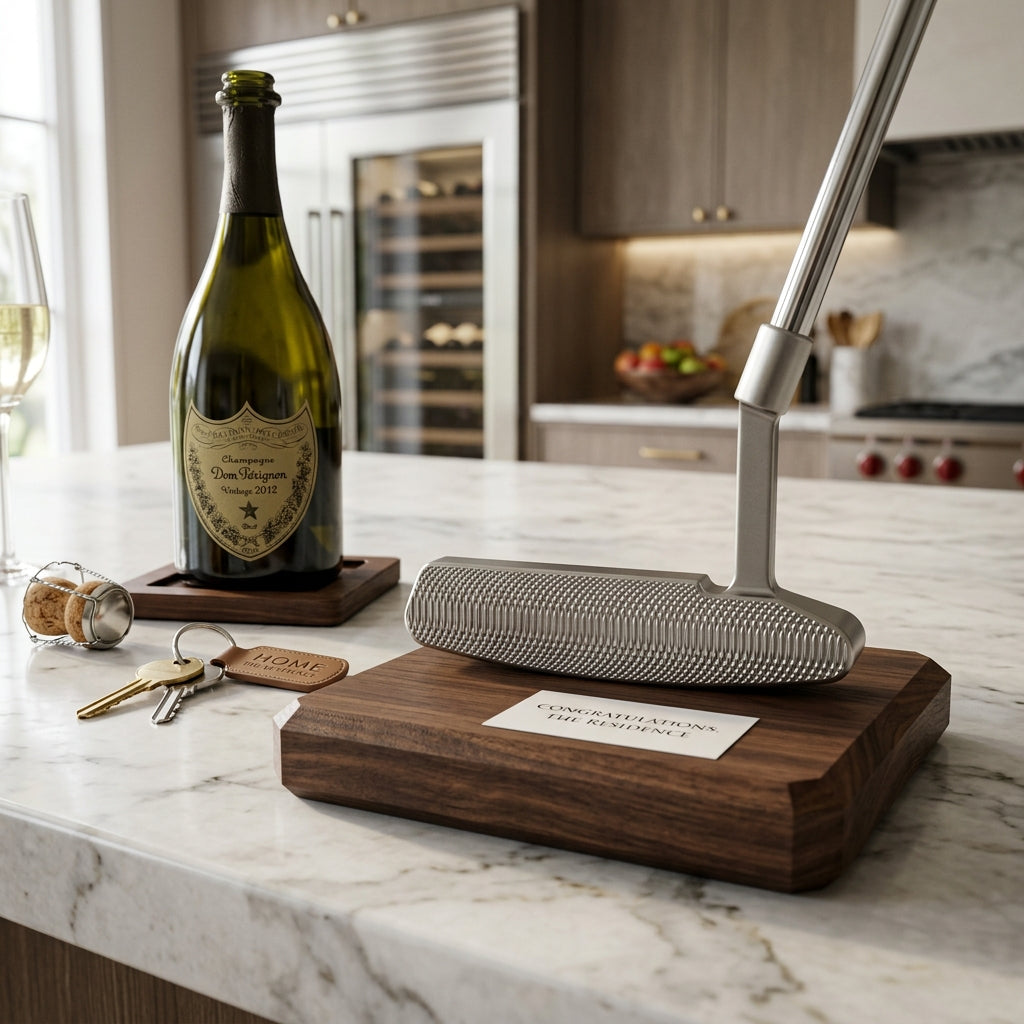
A $300 custom-milled putter with the new home address engraved on the sole costs $294 out-of-pocket after the deduction. If it lifts your referral rate by even 5% over a 20-year career, the math is wildly in favor of the larger gift.
Real Estate Closing Gifts That Drive Referrals (Regardless of Deduction)
For golfer clients specifically, the gifts that drive referrals consistently outperform the deduction-optimized $25 picks:
- Custom-milled Phoenix putter with home address engraved
- Hand-stitched leather headcover with new street name embossed
- Boxed set of engraved ball markers with GPS coordinates
- Curated golf welcome bag (multiple items)
- Bespoke yardage book of the new home course
For deeper coverage of each, see our closing gifts for golfers and luxury closing gifts guides.
Frequently Asked Questions
What's the IRS $25 gift limit for realtors? The IRS allows you to deduct $25 per recipient per tax year for business gifts. This has been unchanged since 1962 and applies to all business gifts including real-estate closing gifts.
Can I deduct the engraving cost on a closing gift? Incidental costs like engraving, packaging, and shipping don't count toward the $25 limit if they don't add substantial value to the gift. Document them separately.
Are closing gifts to a married couple two $25 deductions or one? One $25 deduction — the IRS treats spouses as a single recipient unless they have separate, independent business relationships with you.
Is a $300 custom putter tax-deductible as a closing gift? $25 of it is. The remaining $275 is an out-of-pocket marketing/relationship expense. The referral payoff usually justifies the out-of-pocket spend.
Are gift cards over $25 deductible? Gift cards are treated more strictly than physical gifts. Most CPAs recommend keeping gift cards under $25 or treating them as cash equivalent (not deductible as a gift).
Should I optimize my closing gifts for the tax deduction or the referral? The referral. The $25 deduction saves you $6. A single referral on a closing pays you thousands. Don't let the deduction set your gift budget.
Spend What the Referral Is Worth
The $25 deduction is real, small, and worth taking. It's also the wrong question. The right question is what the gift drives — and at this point, "drives a referral on a $400K closing" beats "saves $6 in tax" by three orders of magnitude.
Ready to give a closing gift that earns referrals for years? Explore Phoenix custom-engraved putters and our corporate gifting program.


Leave a comment
This site is protected by hCaptcha and the hCaptcha Privacy Policy and Terms of Service apply.