
Selecting the right iron shafts is crucial to optimizing your golf performance. The shaft influences how the clubhead interacts with the ball, affecting distance, accuracy, and feel. This comprehensive guide explores iron shaft characteristics, helping you make informed decisions that improve your game.
Understanding Iron Shaft Fundamentals
Iron shafts are the backbone of your golf clubs, influencing trajectory, distance, and consistency. They come in various materials, flexes, and weights, each offering different benefits. Understanding these differences is the first step toward selecting shafts matched to your swing.
Materials: Steel vs. Graphite
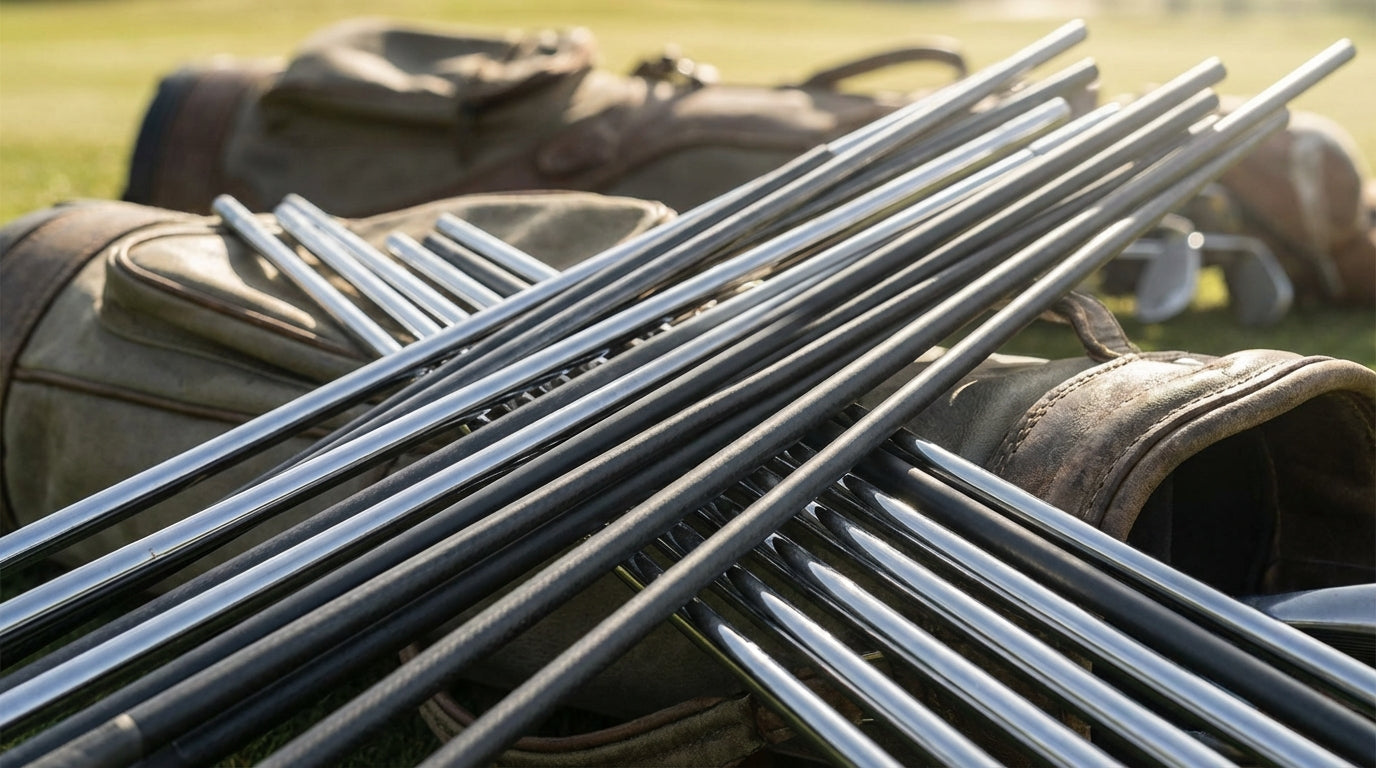
Steel Shafts: Steel shafts are known for durability and consistency. They provide less torque and flex, making them ideal for players seeking control and accuracy. Steel's heavier weight creates a lower launch profile and helps faster swingers maintain control. Professional golfers and better players typically prefer steel for its feedback and precision.
Graphite Shafts: Graphite shafts are lighter than steel, offering increased swing speed and distance potential. They absorb vibration better, providing a smoother feel. Graphite is particularly beneficial for players with slower swing speeds or those seeking more distance. The lighter weight allows easier acceleration through the ball.
Hybrid Materials: Some modern shafts blend steel and graphite or use composite materials, combining benefits of both. These options suit golfers seeking specific feel-and-performance characteristics not available in pure steel or graphite.
Flex Ratings Explained
Extra Stiff (X): Designed for golfers with very fast swing speeds (95+ mph), offering maximum control and stability. Extra stiff shafts resist flex, delivering penetrating ball flight.
Stiff (S): Suitable for golfers with faster swing speeds (85-95 mph), providing good balance of control and distance. Stiff flex is the most commonly used among amateur golfers with decent swing speeds.
Regular (R): Ideal for average swing speeds (75-85 mph), offering flexibility combined with stability. Regular flex is versatile and suits a wide range of golfers.
Senior (A): Designed for slower swing speeds (65-75 mph), helping increase distance and improve launch. Senior flex assists golfers seeking higher ball flight and more distance.
Ladies (L): Specifically engineered for women golfers, offering maximum flexibility and assisting with higher launch angles and increased distance.
Weight Considerations
Iron shaft weight affects swing tempo and balance. Heavier shafts (around 130 grams) offer more control and suit faster swings. Lighter shafts (under 100 grams) help increase swing speed and suit slower tempos. Mid-weight options (100-130 grams) provide versatility for average swing speeds.
Key Factors When Choosing Iron Shafts
Swing Speed: Your swing speed is the critical determinant in flex selection. Measure your swing speed with a launch monitor to ensure accurate flex matching. Faster swings require stiffer shafts for control; slower swings benefit from flexible shafts for distance.
Swing Tempo: Tempo refers to the speed and rhythm of your swing. A smooth, slower tempo suits lighter, more flexible shafts. Fast, aggressive tempos pair better with stiffer, heavier shafts that resist the rapid acceleration.
Launch Angle and Spin Rate: Your desired ball flight characteristics influence shaft selection. More flexible shafts produce higher launch and spin rates, while stiffer shafts deliver lower launch with penetrating ball flight. Understanding your preferences helps narrow shaft options.
Feel and Feedback: How a shaft feels is subjective and personal. Test different options to find the balance of feedback and comfort that inspires confidence. Some golfers prefer smooth, muted feedback; others value responsive, direct feel.
Budget Considerations: Premium shafts like Dynamic Gold and KBS Tour command higher prices but deliver proven performance. Mid-range options offer excellent value. Budget shafts suit developing golfers prioritizing learning over equipment cost.
Popular Iron Shaft Options
Dynamic Gold: A professional and serious amateur favorite known for consistent performance and control. Dynamic Gold suits golfers with faster swing speeds seeking precision and reliability.
KBS Tour: Offers a blend of control and feel, suitable for wide-ranging golfers. KBS Tour provides smooth, responsive feedback with mid-high launch characteristics.
Project X: Engineered for precision and control with a stiff tip section reducing spin and producing penetrating ball flight. Ideal for golfers prioritizing consistency and accuracy.
Nippon Modus: Known for smooth feel and consistency, catering to golfers balancing control and distance with mid-low launch characteristics.
UST Recoil: Graphite option offering lightweight performance and stability for golfers seeking increased swing speed without sacrificing control.
Shaft Selection by Swing Speed
High Swing Speed (95+ mph): Extra stiff or stiff steel shafts like Dynamic Gold X100 or Project X 6.5 provide needed stability and control. These shafts handle aggressive swings and deliver consistent distance.
Moderate Swing Speed (85-95 mph): Regular flex shafts such as KBS Tour R or Nippon Modus 105 R offer balanced flexibility and control. These suit golfers seeking optimal distance and accuracy.
Slower Swing Speed (below 85 mph): Senior or ladies flex options like UST Recoil 460 ESX or graphite alternatives enhance launch and distance for slower swings. Lighter weight helps generate clubhead speed.
The Importance of Custom Fitting
While understanding shaft types is important, professional custom fitting ensures optimal selection. A fitting session analyzes your swing speed, tempo, launch angle, and spin rate, matching shafts to your specific characteristics.
Benefits of professional fitting include:
- Improved accuracy through shafts tailored to your swing
- Increased distance by optimizing launch conditions
- Enhanced feel providing confidence and consistency
- Prevention of common fitting mistakes like incorrect flex selection
- Future-proof recommendations accounting for swing changes
A proper fitting costs $100-300 but saves thousands in wrong equipment purchases and delivers measurable performance improvements. Many golf retailers and custom shops offer free fitting consultations when purchasing clubs.
Iron Shafts and Your Overall Golf Game
Iron shaft selection is just one piece of comprehensive equipment optimization. Understanding what makes quality golf equipment across all clubs ensures your entire set works together cohesively. Equipment choices impact your entire score, including the critical short game where putting determines ultimate results.
Conclusion
Selecting the best iron shafts requires understanding materials, flexes, weights, and how these characteristics match your swing. By evaluating your swing speed, tempo, launch preferences, and desired feel, then investing in professional fitting, you'll select shafts that significantly improve your performance. Whether you seek the control of steel or the distance benefits of graphite, the right iron shafts become a foundation for better overall golf performance.
Frequently Asked Questions
How often should I replace my iron shafts?
Quality iron shafts last 7-10 years or longer with proper maintenance. Replace shafts only when they bend, crack, or when your swing characteristics change significantly (faster swing speed, different tempo). Shaft replacement costs $15-30 per club in labor plus shaft cost.
Can I switch shaft materials (steel to graphite) mid-season?
Yes, but expect an adjustment period of several rounds as you adapt to the different feel and performance characteristics. Graphite shafts typically produce higher launch and different distance patterns than steel, so practice rounds help you readjust your yardage expectations.
Do I need the same shaft flex in all iron clubs?
Yes, consistency throughout your iron set is important. Using multiple flex options within a set creates inconsistent feel and performance. Select one flex matching your swing speed and use it across all irons.
What's the difference between shaft torque and flex?
Flex measures how much the shaft bends during the swing. Torque measures how much the shaft twists during impact. Lower torque shafts resist twisting (more control), while higher torque shafts twist more (typically softer feel and higher launch).


Leave a comment
This site is protected by hCaptcha and the hCaptcha Privacy Policy and Terms of Service apply.